

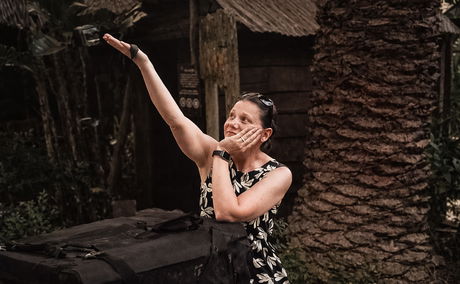
In early December, a male bat weighing just 1 gram arrived at Cango Wildlife after being attacked by a cat and brought in by a concerned member of the public. At that weight, he fit easily into the palm of a hand. Fragile. Silent. Fighting for survival long before he reached our care. Whenever wildlife has contact with a cat, immediate veterinary care is essential. Cat saliva carries bacteria that can be...
WORLD RAINFOREST DAY
Posted on Wed June 22, 2022.
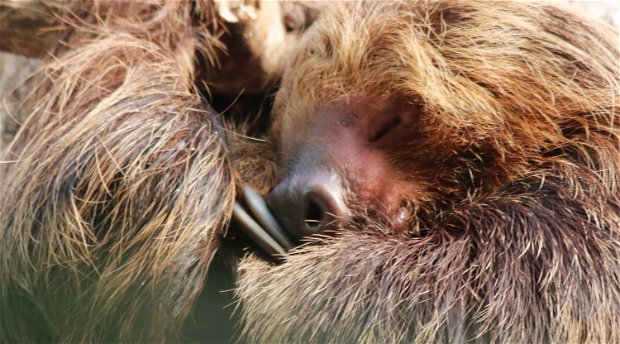
With abundant rainfall all year round, rainforests host some of the most diverse and rich flora and fauna in the world. Despite covering a mere 6% of the Earth’s surface, rainforests are home to around 50% of the world’s terrestrial biodiversity.
On June 22 ‘World Rainforest Day’ is celebrated to highlight the importance of rainforests and to raise awareness on the need of its protection. This year’s theme is ‘The time is now’.
With rapid urbanisation and over-exploitation by humans, forest cover is depleting every year and it is vital that adequate measures and initiatives be taken to save the forests and the diverse life it harbours.
The Amazon rainforest, which is the world’s largest rainforest, supplies 20% of the oxygen that we breath. It also plays a crucial role in combating global warming by absorbing excess carbon dioxide and stabilising climate patterns. As human activities continue to threaten the sensitive ecosystem of the rainforests, conserving it becomes crucial for all life on the planet.
You can make smarter choices to protect the rainforests by being an advocate and assisting in the following ways:
- ELIMINATE DEFORESTATION FROM YOUR DIET. Many of the foods we eat are grown on deforested lands. For example, beef, soybean, and palm oil are main drivers of deforestation in the Amazon basin. Reduce your meat intake, and buy your meat from local farms that use sustainable practices. Check your food product labels for soy or palm oil ingredients and buy alternatives when possible. Choosing sustainably produced foods and products forces companies to change their practices.
- BUY RESPONSIBLY SOURCED PRODUCTS. Choosing products that are responsibly sourced or made from recycled materials can go a long way to curbing tropical deforestation. For example, mining for precious metals is a leading cause of deforestation and river pollution in the Amazon. Avoid products made from tropical hardwoods, like guitars and furniture. Use paper products made from recycled pulp.
- CHOOSE PRODUCTS THAT GIVE BACK. It’s best to buy less, but when you do buy, choose companies that contribute to environmental causes.
- SUPPORT INDIGENOUS COMMUNITIES. Buying artisanal products made by indigenous peoples is a unique and effective way to protect rainforests and sustainable livelihoods. Next time you travel, consider visiting communities through ecotourism. Ecotourism gives you an opportunity to learn about new cultures and directly supports indigenous peoples.
- REDUCE YOUR CARBON FOOTPRINT. To stem the climate crisis, action is needed by all levels of society to reduce carbon emissions and promote low-carbon development. While the task seems daunting, there are many things you as an individual can do to reduce your carbon footprint: Drive less, take public transportation/lift-clubs, turn off lights and electronics when not in use, and avoid unnecessary air travel. Whatever you cannot reduce, you can mitigate by supporting projects that offer carbon emissions reductions by keeping forests standing.
- SHARE RAINFOREST NEWS ON SOCIAL MEDIA. The more people know what is happening to rainforests and the indigenous communities who rely on them, the more likely they are to join and support the cause.
Share This Post
Latest News
-
 From 1 Gram To The Night Sky
Thu February 26, 2026 -
 When Conservation Meets Celebration
Thu February 26, 2026 -
 Rooted In Restoration
Thu February 26, 2026 -
 From 5cm To Freedom
Thu February 26, 2026 -
 A Second Chance For A Porcupette
Thu February 26, 2026 -
 Forty Years - Forty Percent
Thu February 26, 2026 -
 Knysna Dwarf Chameleon In Oudtshoorn
Thu February 26, 2026 -
 Community Clean Up
Thu February 26, 2026 -
 Small Contributions, Lasting Impact
Thu February 26, 2026 -
 Welcoming Our Academy Students Of 2026
Thu February 26, 2026
Further Reading
From 1 Gram To The Night Sky
Thu February 26, 2026
Read This Article
When Conservation Meets Celebration
Thu February 26, 2026
Read This Article
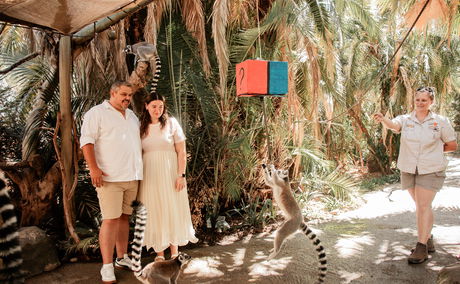
On the first of February, Monique and Rouan Engelbrecht chose to celebrate one of life’s most meaningful milestones in a way that reflected their values. They hosted a conservation conscious gender reveal at Cango Wildlife.
Rooted In Restoration
Thu February 26, 2026
Read This Article
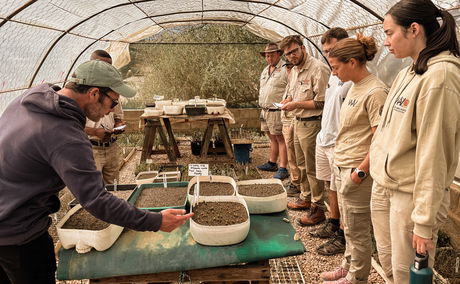
At Cango Wildlife, conservation isn’t something we only talk about; it’s something we’re constantly trying to refine, improve, and live out in practical ways. That includes looking inward: examining how we manage our own environmental footprint, how we treat and restore the land we steward, and how we align our practices with the bigger global sustainability framework - from South Africa’s climate goals to the guiding principles of UN-aligned sustainability and the...
Share This Post