

Oudtshoorn is about to gain a new kind of neighbour: a working campus, built on sustainability principles, aimed squarely at the town's future workforce. On 1 September, Cango Wildlife will officially open its new Africa Skills Cango Academy site to an invite-only audience of civic and business leaders. Four days later, on 5 September, the doors open to the public for a community open day at 291 Adderley Street. Locals will be...
Knysna Dwarf Chameleon In Oudtshoorn
Posted on Thu February 26, 2026.
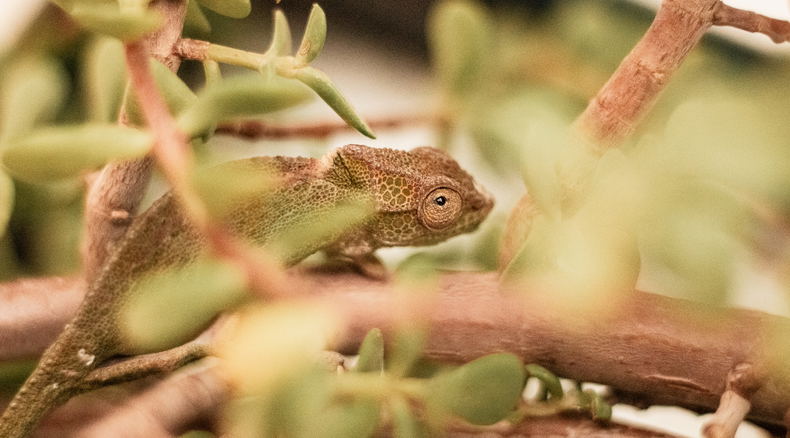
A concerned member of the public recently brought a small chameleon to us after finding it in Oudtshoorn, well outside its natural distribution range. It has been identified as a Knysna Dwarf Chameleon, which is endemic to parts of the Western Cape and is typically associated with forested and dense thicket habitats in and around Knysna.
They do not naturally occur in Oudtshoorn. On intake, the chameleon weighed approximately 7 grams. Despite the stress of relocation, he is feeding independently. He is actively hunting and consuming appropriately sized wild caught crickets and shows a strong feeding response. An eager appetite at this stage signals encouraging physiological stability. He remains under close observation while routine health assessments continue.
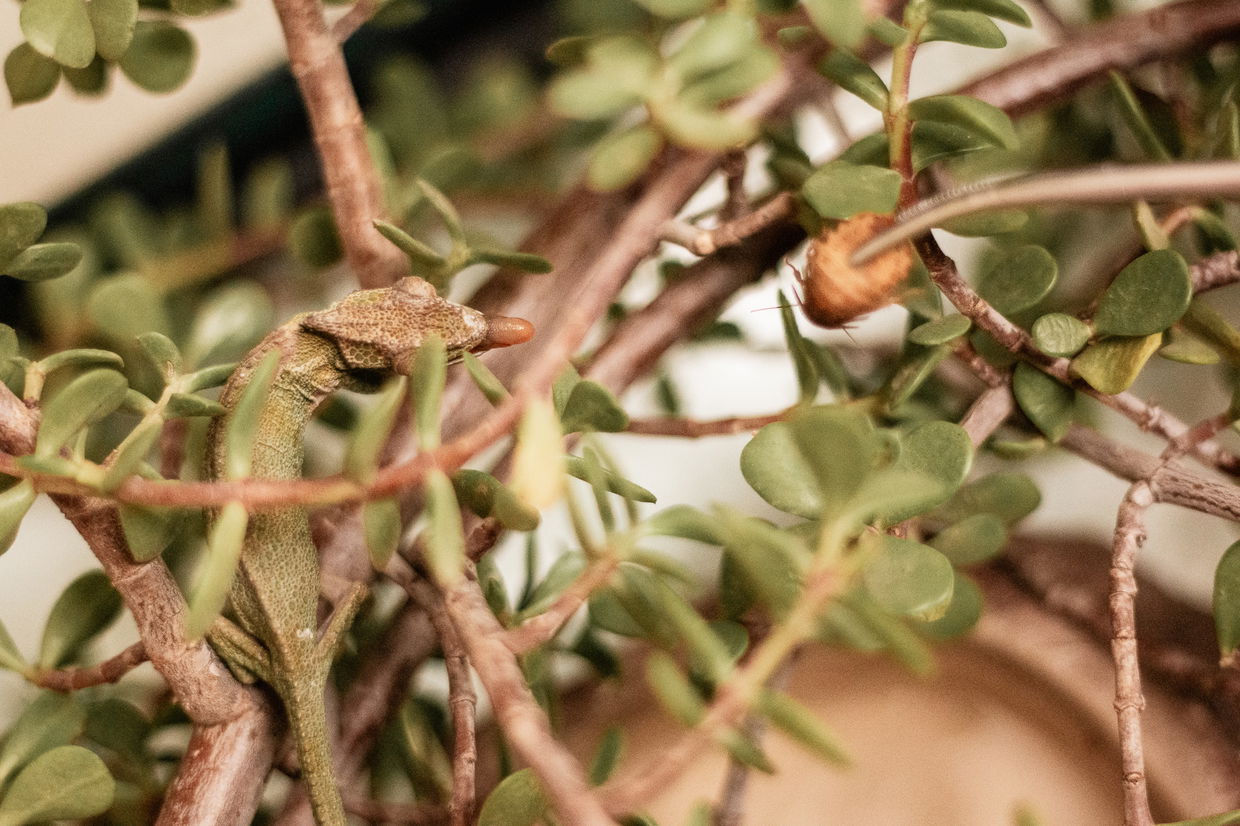
Monitoring includes:
• Hydration status
• Body condition
• Behavioural response
• Stress indicators
Early evaluation helps determine whether the animal is fit for relocation or requires further intervention. Because this species exists within a defined geographic range and carries conservation considerations, we will continue to liaise with the relevant environmental authorities to determine the most appropriate course of action.
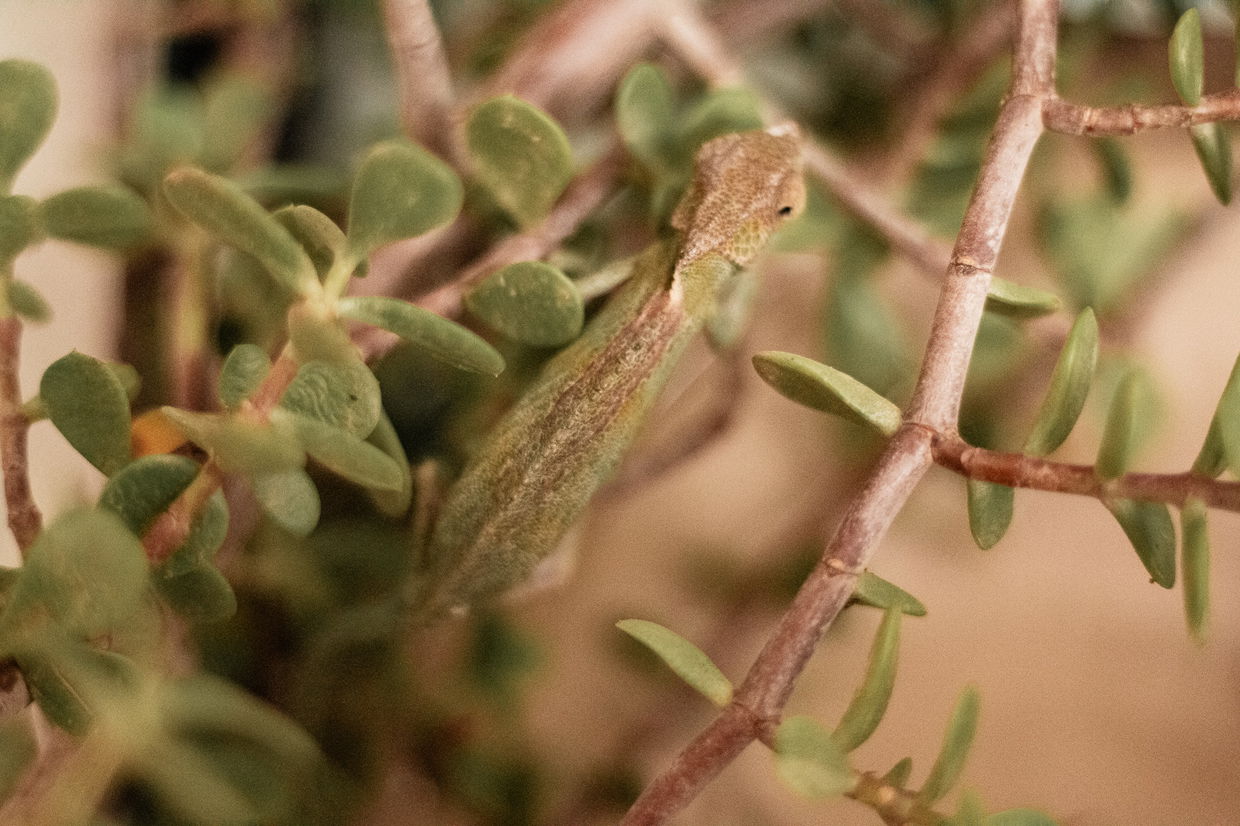 Any relocation or placement decision will follow official guidance and established species management protocols. Situations like this highlight an important principle. Indigenous wildlife should not be moved outside of their natural distribution.
When animals are found out of range, responsible reporting and proper handover to qualified facilities supports the best possible outcome. For now, this 7 gram survivor remains under professional care while the appropriate conservation pathway is determined.
Share This Post
Latest News
-
 A New Campus And It Is Only The Beginning
Thu August 27, 2026 -
 Making Waves Beyond Cango
Thu August 27, 2026 -
 Two Peas In A Pod
Thu August 27, 2026 -
 A Cango Experience They’ll Carry Forever
Thu August 27, 2026 -
 The Story Behind The Menu
Thu August 27, 2026 -
 The Importance of Enrichment at Cango Wildlife
Thu August 27, 2026 -
 Knowledge, Laughter and a Little Friendly Competition
Fri July 31, 2026 -
 Shaping The Next Generation Of Wildlife Veterinarians
Thu July 30, 2026 -
 Walking Together
Thu July 30, 2026 -
 Celebrating The People Behind The Care
Thu July 30, 2026
Further Reading

A New Campus And It Is Only The Beginning
Thu August 27, 2026
Read This Article
Making Waves Beyond Cango
Thu August 27, 2026
Read This Article
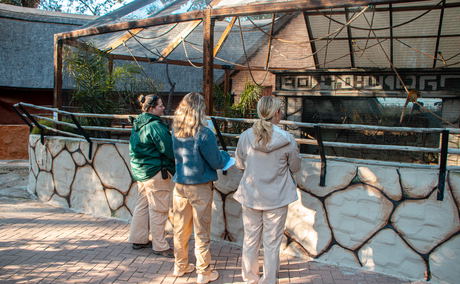
At Cango Wildlife, learning is not something that ends with a qualification. It continues every day through the animals in our care, the people we work alongside and the knowledge shared across the wider wildlife community. For Pippa, one of our dedicated Animal Caregivers, that passion for continued learning is now taking her beyond Cango Wildlife as she begins making her mark within the broader animal-care community. Recently, Pippa was invited to...
Two Peas In A Pod
Thu August 27, 2026
Read This Article
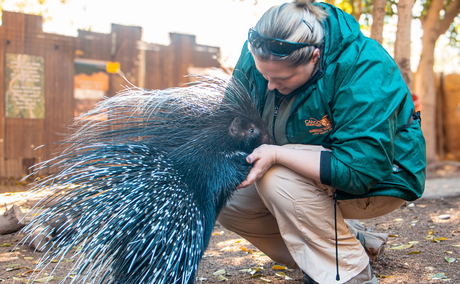
How patience, trust and training created a special bond between Animal Caregiver Pippa and Patricia, our Cape Porcupine When Patricia arrived at Cango Wildlife as a tiny baby, few could have predicted the relationship that would develop between this little bundle of quills and Animal Caregiver Pippa. For Pippa, however, the connection began with something very simple: time. Bottle feeds, playtime, cleaning and every spare opportunity to be around Patricia became the...
Share This Post