


Oudtshoorn is about to gain a new kind of neighbour: a working campus, built on sustainability principles, aimed squarely at the town's future workforce. On 1 September, Cango Wildlife will officially open its new Africa Skills Cango Academy site to an invite-only audience of civic and business leaders. Four days later, on 5 September, the doors open to the public for a community open day at 291 Adderley Street. Locals will be...
A Second Chance For A Porcupette
Posted on Thu February 26, 2026.
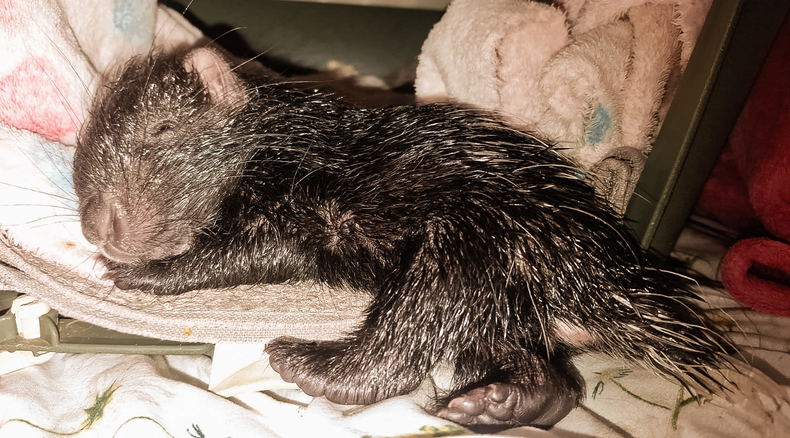
In mid February, a routine guided walk near Wilgewandel, about 20 minutes outside of Oudtshoorn, turned into an unexpected wildlife rescue. Sinead, one of our former part-time Wildlife Guardians who is now a qualified Field Guide, was leading visitors on a tour along the trail when they came across a very young Cape Porcupine. At first, they moved on, assuming the mother was nearby and would return once the area was quiet.
Four hours later, they passed the same spot again. The tiny porcupette was still alone. A sibling lay dead nearby. At that point, the reality shifted. A mother porcupine would usually return to her young. The delay suggested she may have been caught in a snare or otherwise prevented from coming back.
The surviving porcupette had started wandering from the den. Most likely searching. Most likely dehydrated. The group acted quickly and brought the porcupette to our facility for intensive early care. On arrival, the infant required immediate supportive care. Neonatal porcupines rely entirely on their mother’s milk. They cannot regulate feeding intervals on their own.
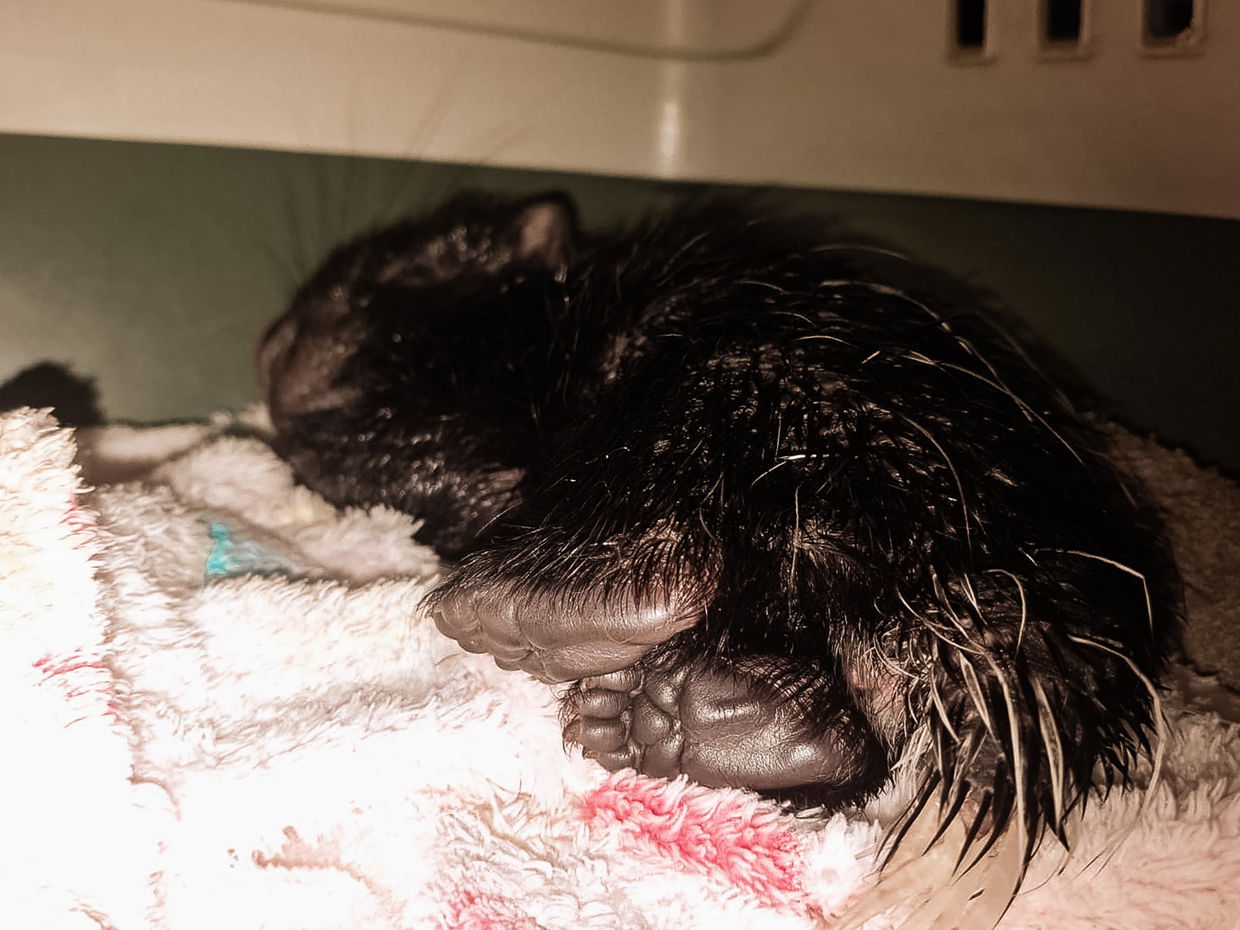
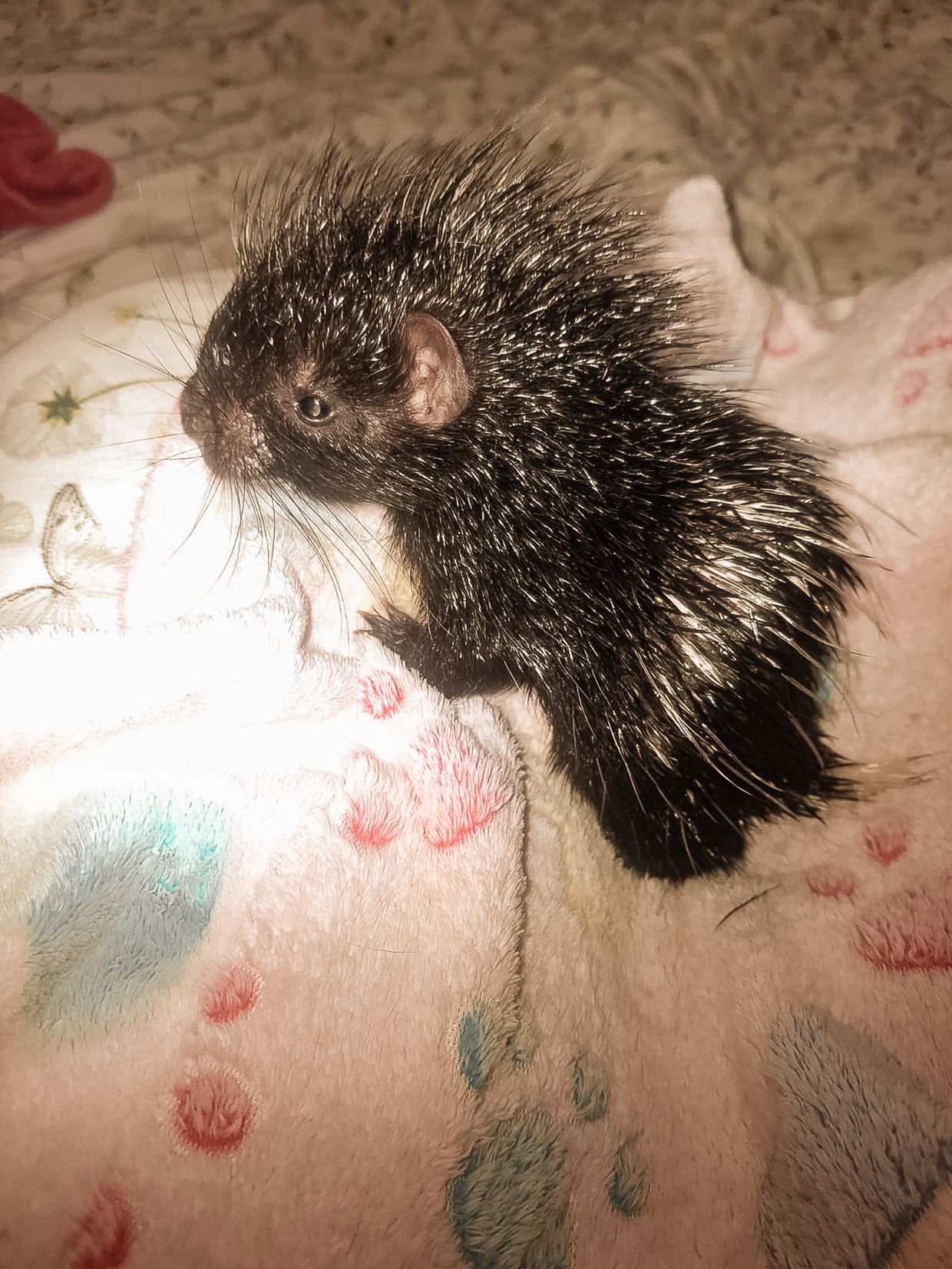 A strict feeding protocol was implemented. Bottle feeds every two hours. Milk volume calculated at roughly 20 percent of body weight across 24 hours, divided into scheduled feeds. Transitioning a wild neonate onto a feeding teat takes time. Gentle handling. Gradual familiarisation. Patience.
It took about a day and a half before the porcupette latched properly and fed effectively. That moment marked the first sign of stabilisation. The quills have been sent for testing to determine sex. We are awaiting results.
For now, the focus remains simple and disciplined.
• Consistent feeding
• Hydration
• Warmth
• Minimal stress
Rescues like this expose a hard truth. Snaring and human expansion continue to leave young wildlife orphaned and vulnerable. This porcupette now has a chance. The road ahead includes structured weaning, gradual independence, and hopefully an eventual release. Every rescue begins with urgency. Rehabilitation requires discipline. Release remains the goal.
Share This Post
Latest News
-
 A New Campus And It Is Only The Beginning
Thu August 27, 2026 -
 Making Waves Beyond Cango
Thu August 27, 2026 -
 Two Peas In A Pod
Thu August 27, 2026 -
 A Cango Experience They’ll Carry Forever
Thu August 27, 2026 -
 The Story Behind The Menu
Thu August 27, 2026 -
 The Importance of Enrichment at Cango Wildlife
Thu August 27, 2026 -
 Knowledge, Laughter and a Little Friendly Competition
Fri July 31, 2026 -
 Shaping The Next Generation Of Wildlife Veterinarians
Thu July 30, 2026 -
 Walking Together
Thu July 30, 2026 -
 Celebrating The People Behind The Care
Thu July 30, 2026
Further Reading

A New Campus And It Is Only The Beginning
Thu August 27, 2026
Read This Article
Making Waves Beyond Cango
Thu August 27, 2026
Read This Article
At Cango Wildlife, learning is not something that ends with a qualification. It continues every day through the animals in our care, the people we work alongside and the knowledge shared across the wider wildlife community. For Pippa, one of our dedicated Animal Caregivers, that passion for continued learning is now taking her beyond Cango Wildlife as she begins making her mark within the broader animal-care community. Recently, Pippa was invited to...
Two Peas In A Pod
Thu August 27, 2026
Read This Article
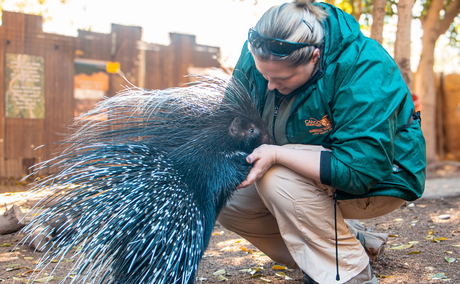
How patience, trust and training created a special bond between Animal Caregiver Pippa and Patricia, our Cape Porcupine When Patricia arrived at Cango Wildlife as a tiny baby, few could have predicted the relationship that would develop between this little bundle of quills and Animal Caregiver Pippa. For Pippa, however, the connection began with something very simple: time. Bottle feeds, playtime, cleaning and every spare opportunity to be around Patricia became the...
Share This Post