

In early December, a male bat weighing just 1 gram arrived at Cango Wildlife after being attacked by a cat and brought in by a concerned member of the public. At that weight, he fit easily into the palm of a hand. Fragile. Silent. Fighting for survival long before he reached our care. Whenever wildlife has contact with a cat, immediate veterinary care is essential. Cat saliva carries bacteria that can be...
World Lion Day
Posted on Tue August 12, 2025.
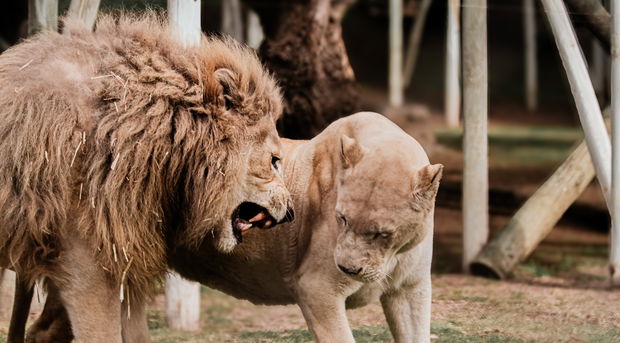
Lions are among Africa’s most iconic predators, yet their future is far from secure. These social cats live in prides that work together to hunt, defend territory, and raise their young. In the wild, they play a vital role in keeping ecosystems balanced by controlling herbivore populations, which allows vegetation to recover and supports many other species. Over the past century, lions have lost more than 90 percent of their historic range. Today, an estimated 20 000 to 25 000 remain in the wild in Africa, with about 670 Asiatic Lions surviving in India’s Gir Forest. Their numbers continue to decline due to habitat loss, human-wildlife conflict, and illegal hunting.
World Lion Day, marked on 10 August, is a reminder that these animals need protection. By supporting conservation efforts that safeguard wild species and wild environments, you help ensure that future generations will still hear the powerful sound of a lion’s roar. Tribe and Sindile, our much-loved lions, are more than impressive animals to admire. They are ambassadors for their species, helping us educate over 100 000 visitors each year. For many, especially the countless schoolchildren who visit, it is their very first time seeing a lion. We believe that such moments are invaluable - igniting lifelong respect for the animals and a deeper desire to protect them.
Did you know?
A lion’s roar can be heard up to 8 kilometres away, and a pride’s roar chorus at dawn or dusk can make it sound like there are more lions than there really are, helping to deter rivals.
A male’s mane not only protects his neck during fights, but its size and colour can signal his health and strength to other lions.
Female lions do most of the hunting, but males defend the pride’s territory from intruders.
Lions can sleep for 16 to 20 hours a day to conserve energy for hunting and patrolling.
Cubs are born with spots on their fur, which fade as they grow older.
Lions once roamed across Africa, Europe, the Middle East, Asia, and the Americas; today they occupy less than 10 percent of that historic range.
In the wild, lions usually live for 10 to 14 years, but in protected environments they can live into their twenties. Tribe and Sindile are thriving at the impressive age of 19.
Share This Post
Latest News
-
 From 1 Gram To The Night Sky
Thu February 26, 2026 -
 When Conservation Meets Celebration
Thu February 26, 2026 -
 Rooted In Restoration
Thu February 26, 2026 -
 From 5cm To Freedom
Thu February 26, 2026 -
 A Second Chance For A Porcupette
Thu February 26, 2026 -
 Forty Years - Forty Percent
Thu February 26, 2026 -
 Knysna Dwarf Chameleon In Oudtshoorn
Thu February 26, 2026 -
 Community Clean Up
Thu February 26, 2026 -
 Small Contributions, Lasting Impact
Thu February 26, 2026 -
 Welcoming Our Academy Students Of 2026
Thu February 26, 2026
Further Reading
From 1 Gram To The Night Sky
Thu February 26, 2026
Read This Article
When Conservation Meets Celebration
Thu February 26, 2026
Read This Article
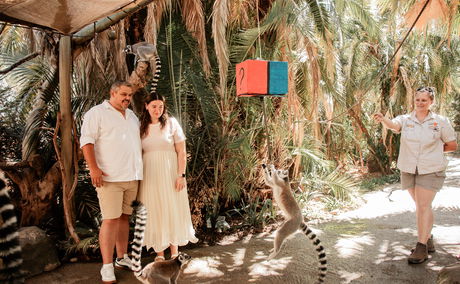
On the first of February, Monique and Rouan Engelbrecht chose to celebrate one of life’s most meaningful milestones in a way that reflected their values. They hosted a conservation conscious gender reveal at Cango Wildlife.
Rooted In Restoration
Thu February 26, 2026
Read This Article
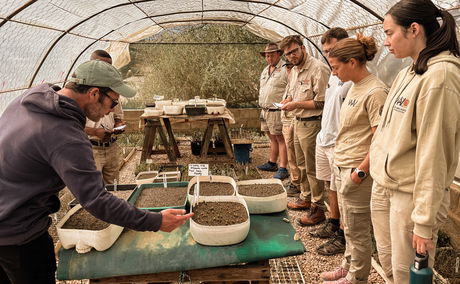
At Cango Wildlife, conservation isn’t something we only talk about; it’s something we’re constantly trying to refine, improve, and live out in practical ways. That includes looking inward: examining how we manage our own environmental footprint, how we treat and restore the land we steward, and how we align our practices with the bigger global sustainability framework - from South Africa’s climate goals to the guiding principles of UN-aligned sustainability and the...
Share This Post