

In early December, a male bat weighing just 1 gram arrived at Cango Wildlife after being attacked by a cat and brought in by a concerned member of the public. At that weight, he fit easily into the palm of a hand. Fragile. Silent. Fighting for survival long before he reached our care. Whenever wildlife has contact with a cat, immediate veterinary care is essential. Cat saliva carries bacteria that can be...
From Rescue To Release
Posted on Mon September 8, 2025.
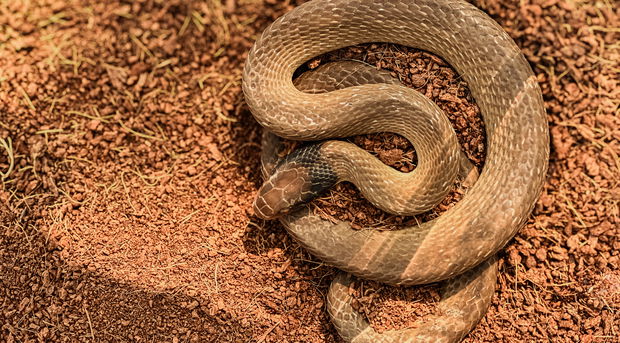
While carrying out their daily tasks near our workshop, our maintenance team spotted an unexpected visitor — a Red-lipped Herald. This striking little snake is native to Southern Africa and is easily identified by the reddish-orange tint around its mouth. Although mildly venomous, the Red-lipped Herald is considered harmless to humans and plays an important role in maintaining healthy ecosystems.
On closer inspection, our Animal Care team noticed an old injury on the snake’s tail, with a small piece of bone exposed. The snake was carefully transported to a veterinarian, where the damaged section of tail was humanely amputated to ensure a safe recovery. After surgery, the Herald was brought to our Care Centre, where it was closely monitored until fully healed.
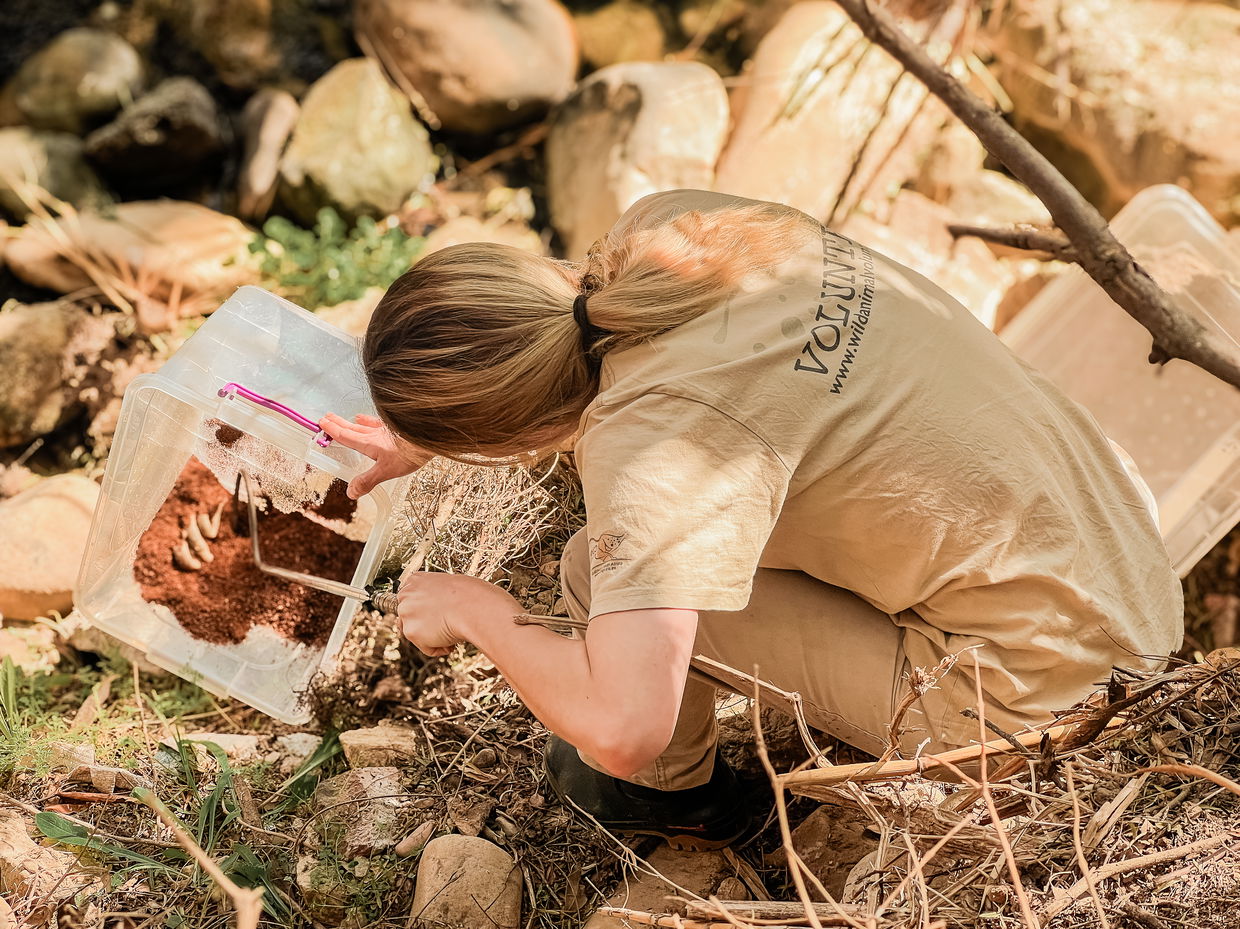 The happiest moment came when the snake was strong and healthy enough to return to the wild. The release was carried out by Tamryn Roux, one of our dedicated Wild Animal Volunteer Hosts, who works closely with our Zoological Department and is trained to assist with safe wildlife releases. Watching the snake glide back into the vegetation was a rewarding reminder of the difference care and teamwork can make.
Whether it is a large predator or a small snake, every life is valued, and we will always do our very best to assist.
Did You Know?
- The Red-lipped Herald's scientific name is Crotaphopeltis hotamboeia.
- They are nocturnal snakes, often found near water or in damp habitats.
- Their diet includes frogs, small lizards, and occasionally rodents, making them important natural pest controllers.
- When threatened, they put on quite a show - inflating their necks and hissing dramatically to scare off predators.
- Despite their defensive display, they are shy snakes and pose little threat to humans.
Share This Post
Latest News
-
 From 1 Gram To The Night Sky
Thu February 26, 2026 -
 When Conservation Meets Celebration
Thu February 26, 2026 -
 Rooted In Restoration
Thu February 26, 2026 -
 From 5cm To Freedom
Thu February 26, 2026 -
 A Second Chance For A Porcupette
Thu February 26, 2026 -
 Forty Years - Forty Percent
Thu February 26, 2026 -
 Knysna Dwarf Chameleon In Oudtshoorn
Thu February 26, 2026 -
 Community Clean Up
Thu February 26, 2026 -
 Small Contributions, Lasting Impact
Thu February 26, 2026 -
 Welcoming Our Academy Students Of 2026
Thu February 26, 2026
Further Reading
From 1 Gram To The Night Sky
Thu February 26, 2026
Read This Article
When Conservation Meets Celebration
Thu February 26, 2026
Read This Article
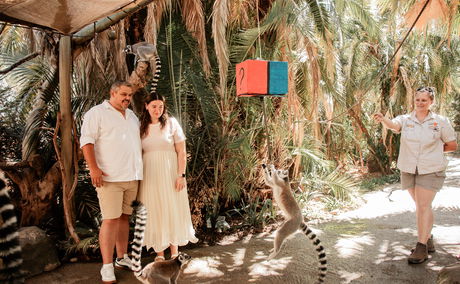
On the first of February, Monique and Rouan Engelbrecht chose to celebrate one of life’s most meaningful milestones in a way that reflected their values. They hosted a conservation conscious gender reveal at Cango Wildlife.
Rooted In Restoration
Thu February 26, 2026
Read This Article
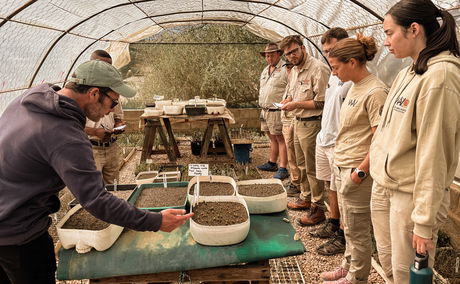
At Cango Wildlife, conservation isn’t something we only talk about; it’s something we’re constantly trying to refine, improve, and live out in practical ways. That includes looking inward: examining how we manage our own environmental footprint, how we treat and restore the land we steward, and how we align our practices with the bigger global sustainability framework - from South Africa’s climate goals to the guiding principles of UN-aligned sustainability and the...
Share This Post