

In early December, a male bat weighing just 1 gram arrived at Cango Wildlife after being attacked by a cat and brought in by a concerned member of the public. At that weight, he fit easily into the palm of a hand. Fragile. Silent. Fighting for survival long before he reached our care. Whenever wildlife has contact with a cat, immediate veterinary care is essential. Cat saliva carries bacteria that can be...
A Life Pulled From The Shadows
Posted on Thu November 27, 2025.
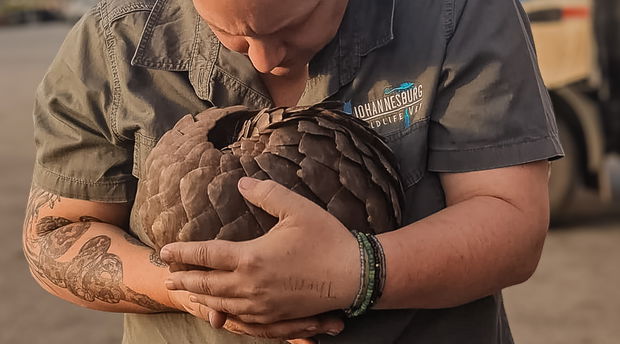
A young pangolin is alive today because a chain of people acted fast, paid attention and refused to look away. Her rescue, which took place recently near Beaufort West, shines a light on a growing crisis in South Africa and across the world: wildlife trafficking and the illegal pet trade. During a routine roadblock, SAPS officers searched a vehicle and found her hidden in a box in the boot. She had been poached. She was dehydrated, injured and near collapse. Johannesburg Wildlife Veterinary Hospital (JWVH) was alerted immediately. CapeNature moved fast, rushing her to a vet in Oudtshoorn. Under remote guidance from JWVH’s pangolin team, she was stabilised and prepared for emergency transport.
When her condition improved enough for travel, Airlink and Impact for Wildlife stepped in with urgent flight support. She was flown to Johannesburg, where JWVH’s dedicated pangolin unit admitted her for intensive care. She arrived in critical condition, but she is now stable. She remains fragile, yet she is fighting.
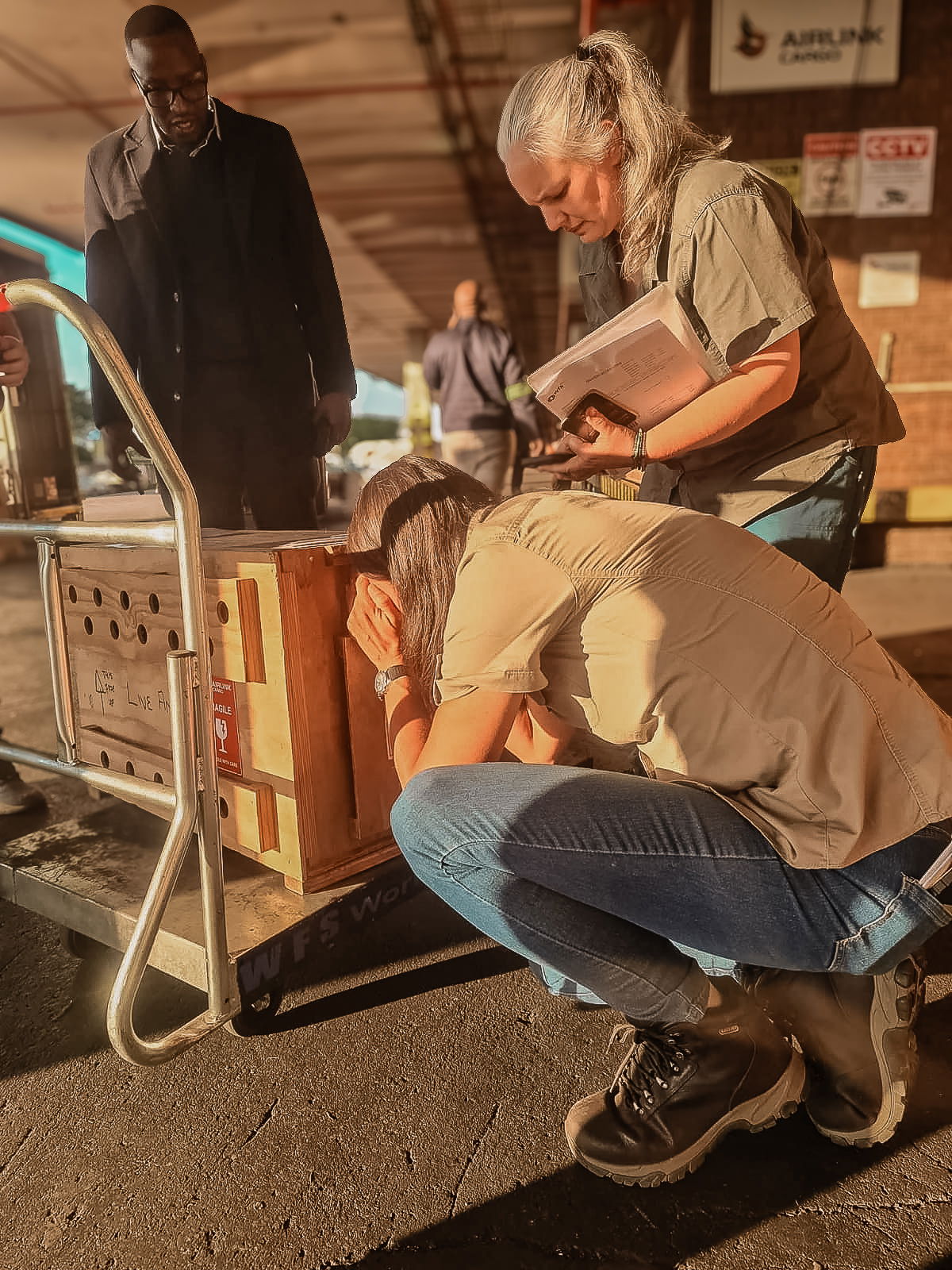 Her story is not unique. It is only one glimpse into a much larger issue.
The Reality Behind Wildlife Trafficking.
Pangolins are the most trafficked mammals on Earth. They are hunted for their scales and meat. They are smuggled through hidden routes. They are treated as commodities rather than living beings. South Africa is part of this struggle. Every rescued pangolin represents many others that are never found.
This crisis extends far beyond pangolins. Owls, servals, tortoises, parrots, primates and countless other species are taken from the wild each week. Some end up in the illegal pet trade. Some are moved across borders for profit. Some are sold in secret markets. Most do not survive long enough to be rescued.
This is not conservation. This is exploitation.
Even when people think they are “helping”, removing wildlife from nature causes harm. Wild animals are not pets. They do not tame. What looks like calm is usually fear or shock. Their diets are specialised. Their stress levels are extreme. Their bodies are adapted to a specific habitat that no home environment can replace.
Pangolins, in particular, decline rapidly in captivity. They need thousands of wild ants and termites every day. They need quiet environments, natural rhythms and low stress. Without this, they suffer. Many die within hours.
Keeping wild animals encourages demand. Demand encourages poaching. Poaching empties ecosystems.
When one animal is stolen, a whole species pays the price.
This young pangolin survived because the right people acted at the right time:
• SAPS officers noticed something was wrong.
• CapeNature responded without hesitation.
• A local vet provided urgent stabilisation.
• Airlink and Impact for Wildlife ensured immediate transport.
• JWVH delivered the specialised care she desperately needed.
Because of them, she now has a chance to heal. With continued care and time, she may one day return to the wild where she belongs.
How You Can Help
• Never buy or keep wild animals as pets.
• Report any suspected wildlife trade.
• Support conservation organisations working on the frontlines.
• Share awareness within your community.
• Teach children that wild animals belong in the wild.
This pangolin’s rescue is a victory, but it is also a warning. The illegal pet trade is real. Wildlife trafficking is growing. And every choice we make either fuels the problem or helps stop it. Her survival reminds us of what is possible when compassion wins over cruelty, and when people choose to protect, not exploit, the wild creatures that share our world.
Share This Post
Latest News
-
 From 1 Gram To The Night Sky
Thu February 26, 2026 -
 When Conservation Meets Celebration
Thu February 26, 2026 -
 Rooted In Restoration
Thu February 26, 2026 -
 From 5cm To Freedom
Thu February 26, 2026 -
 A Second Chance For A Porcupette
Thu February 26, 2026 -
 Forty Years - Forty Percent
Thu February 26, 2026 -
 Knysna Dwarf Chameleon In Oudtshoorn
Thu February 26, 2026 -
 Community Clean Up
Thu February 26, 2026 -
 Small Contributions, Lasting Impact
Thu February 26, 2026 -
 Welcoming Our Academy Students Of 2026
Thu February 26, 2026
Further Reading
From 1 Gram To The Night Sky
Thu February 26, 2026
Read This Article
When Conservation Meets Celebration
Thu February 26, 2026
Read This Article
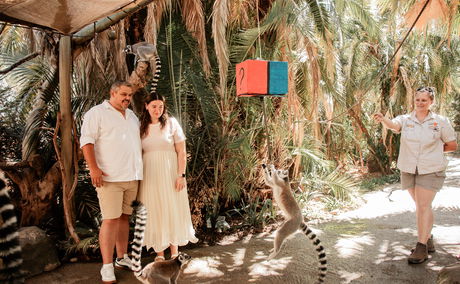
On the first of February, Monique and Rouan Engelbrecht chose to celebrate one of life’s most meaningful milestones in a way that reflected their values. They hosted a conservation conscious gender reveal at Cango Wildlife.
Rooted In Restoration
Thu February 26, 2026
Read This Article
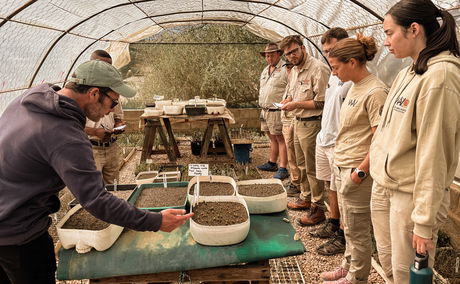
At Cango Wildlife, conservation isn’t something we only talk about; it’s something we’re constantly trying to refine, improve, and live out in practical ways. That includes looking inward: examining how we manage our own environmental footprint, how we treat and restore the land we steward, and how we align our practices with the bigger global sustainability framework - from South Africa’s climate goals to the guiding principles of UN-aligned sustainability and the...
Share This Post