

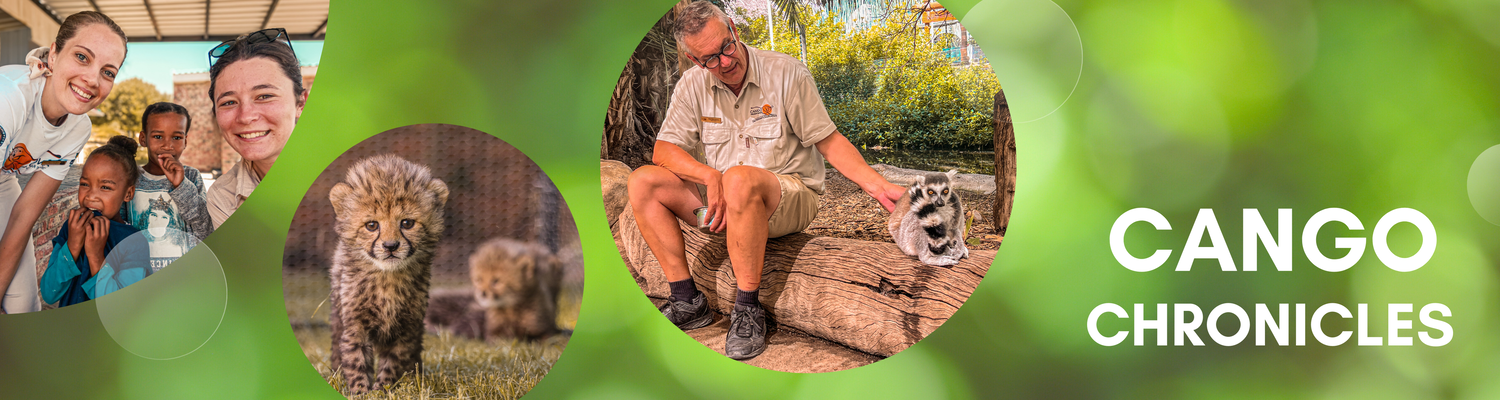
In early December, a male bat weighing just 1 gram arrived at Cango Wildlife after being attacked by a cat and brought in by a concerned member of the public. At that weight, he fit easily into the palm of a hand. Fragile. Silent. Fighting for survival long before he reached our care. Whenever wildlife has contact with a cat, immediate veterinary care is essential. Cat saliva carries bacteria that can be...
A New Home At Last!
Posted on Fri December 26, 2025.
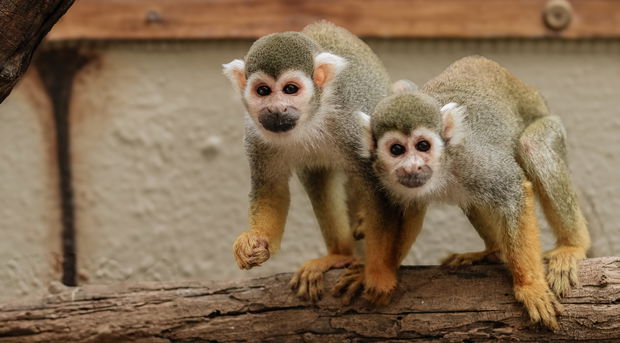
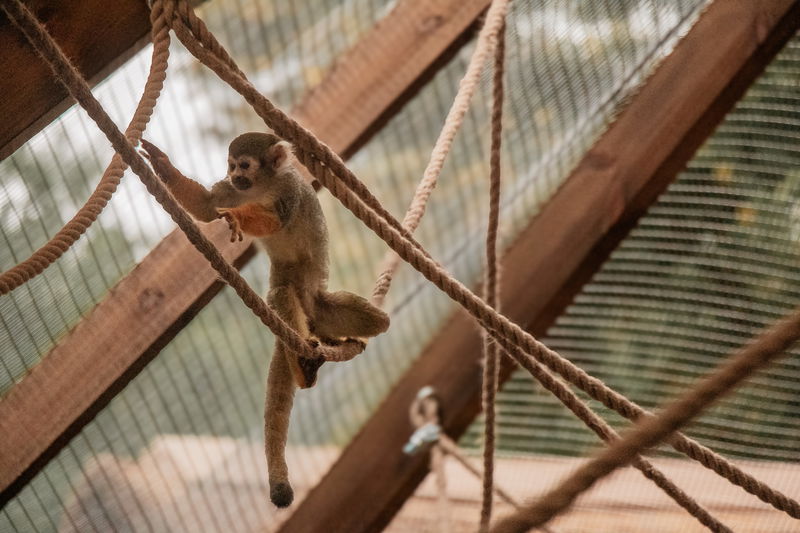
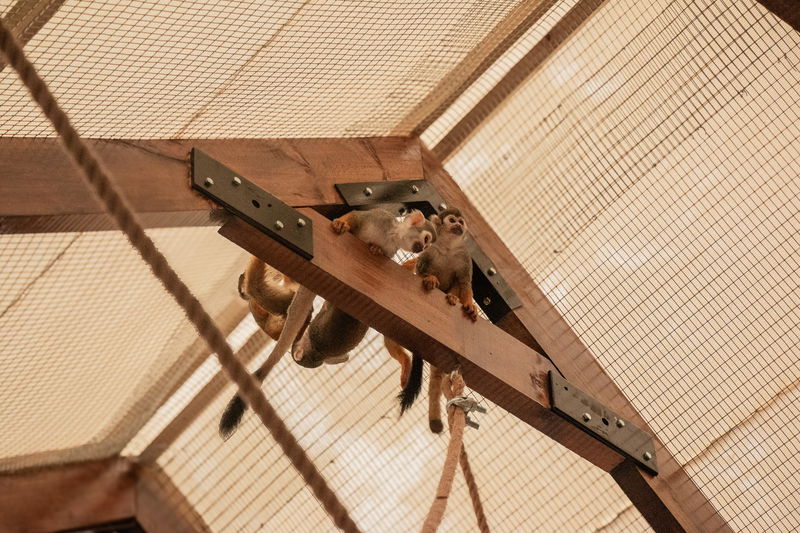
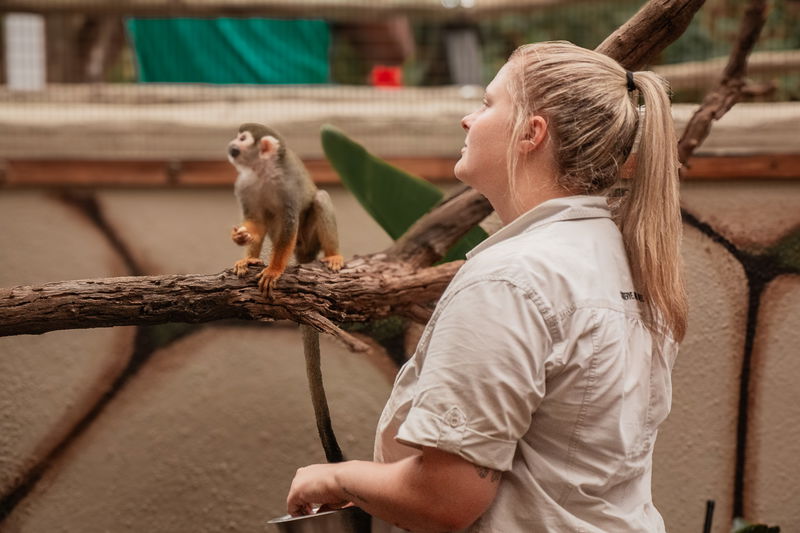
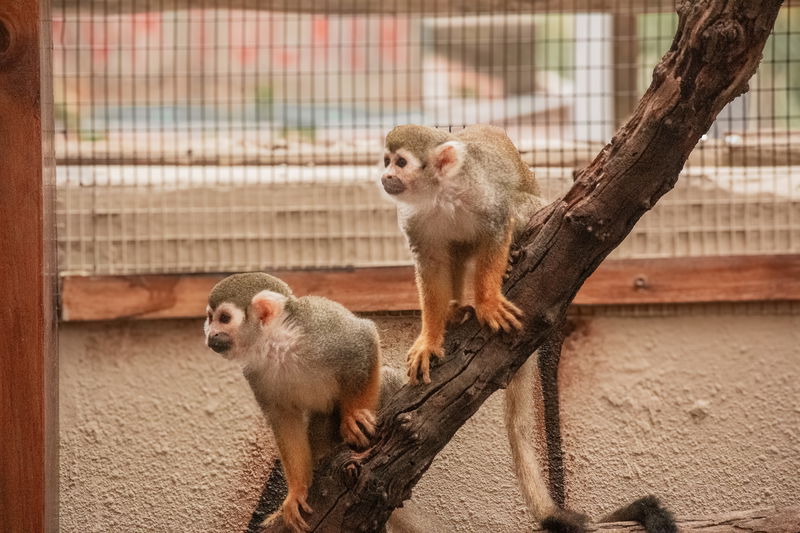
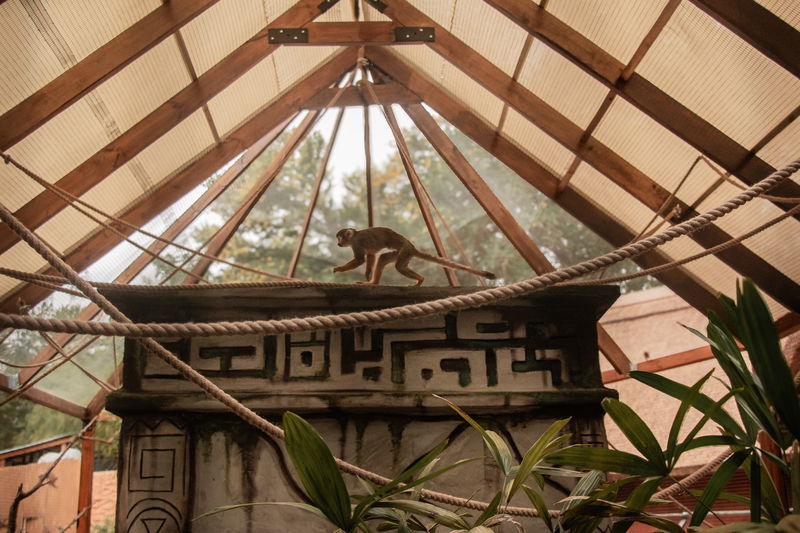
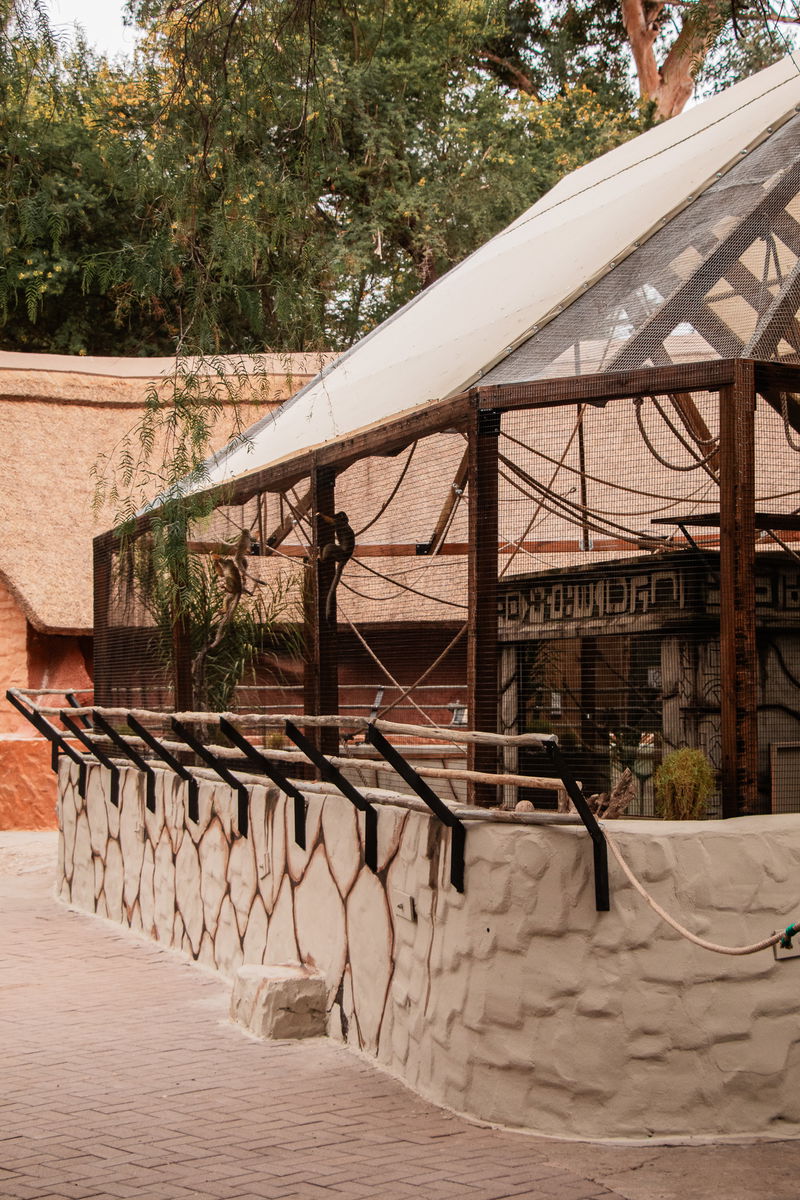
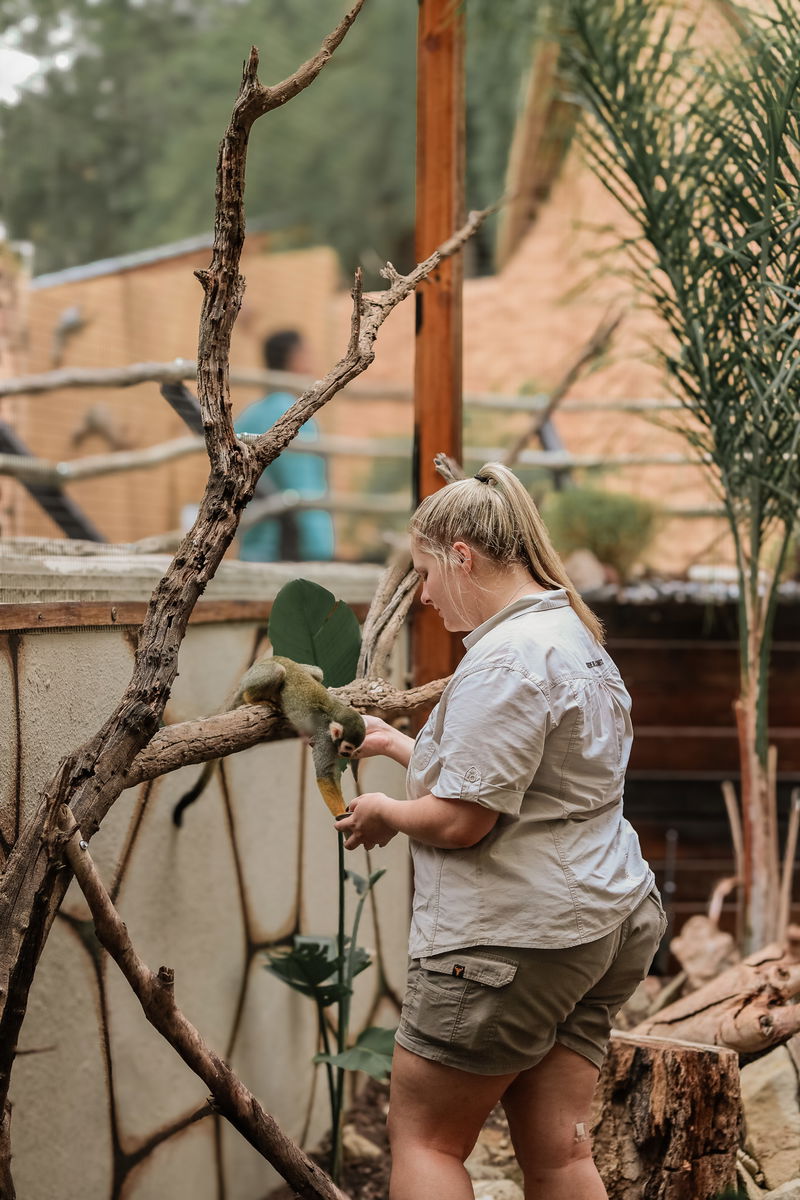
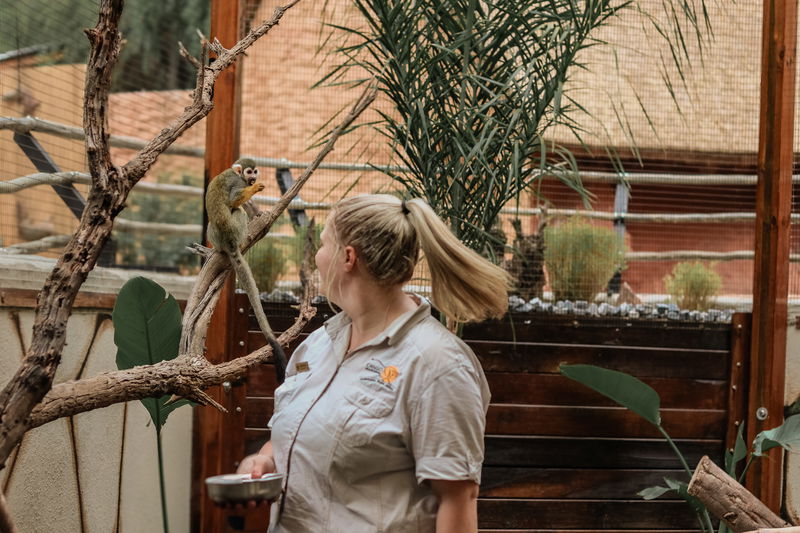
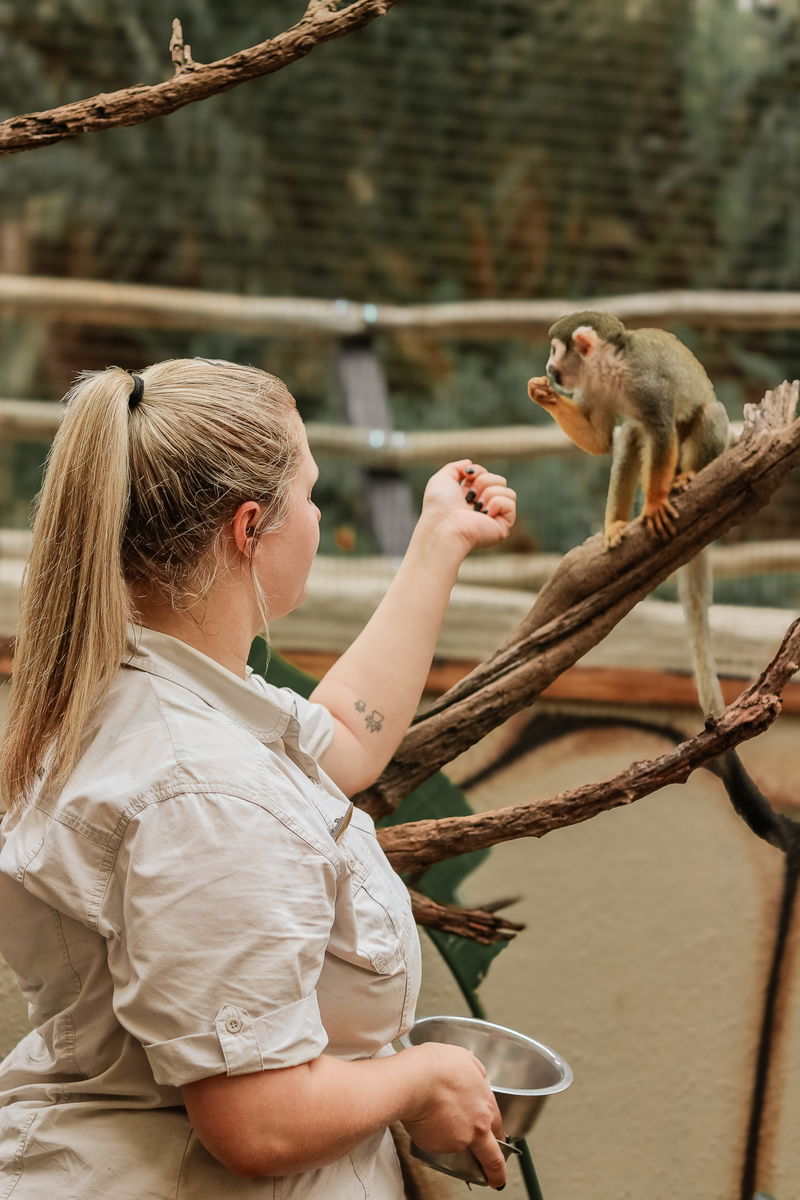
We are thrilled to share that our Squirrel Monkeys are now officially on display in their purpose-built habitat, Saimiri Ruins, marking the culmination of a journey that has been years in the making.
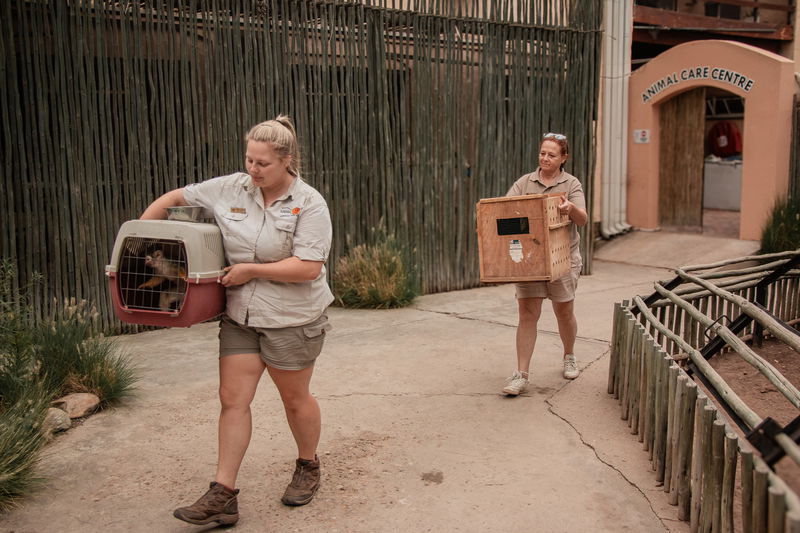
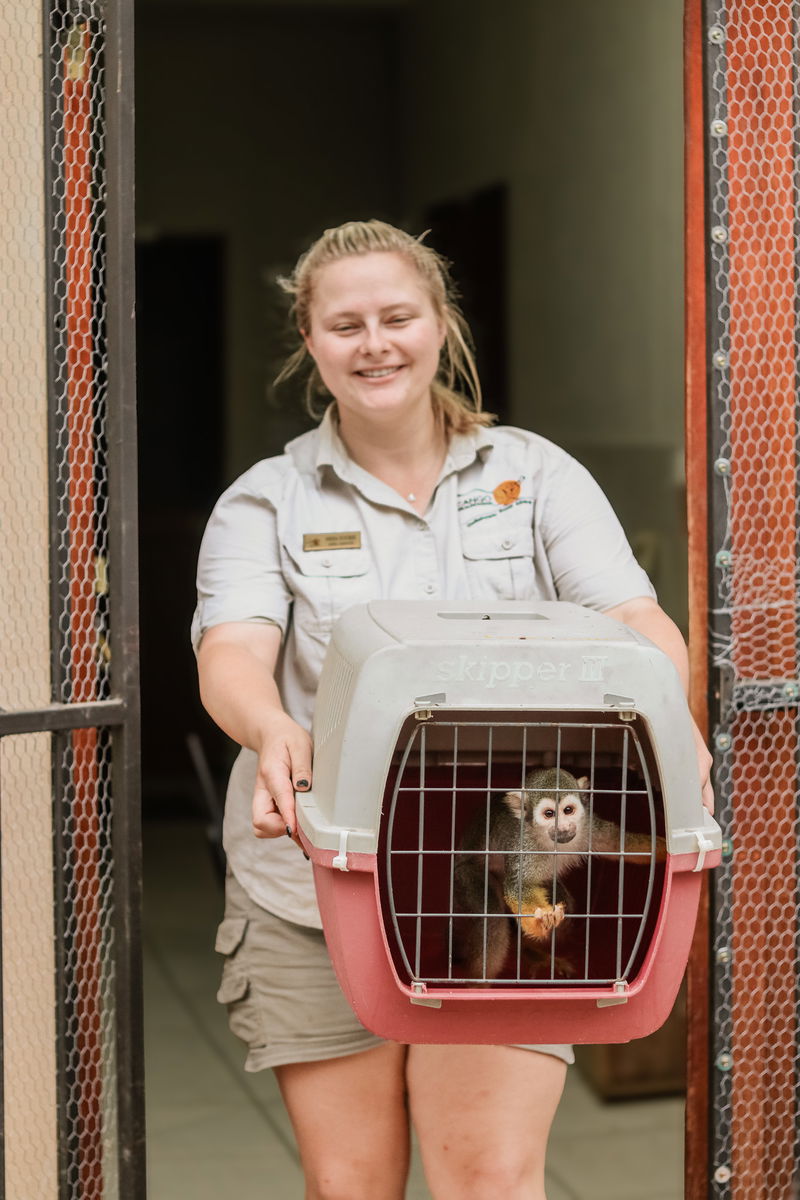
Early on the morning of Tuesday, 22 December, the radio call finally came through:
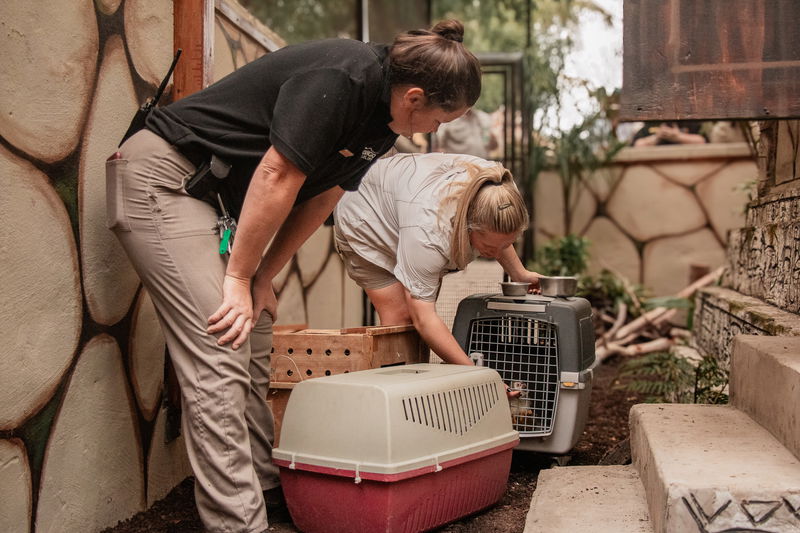
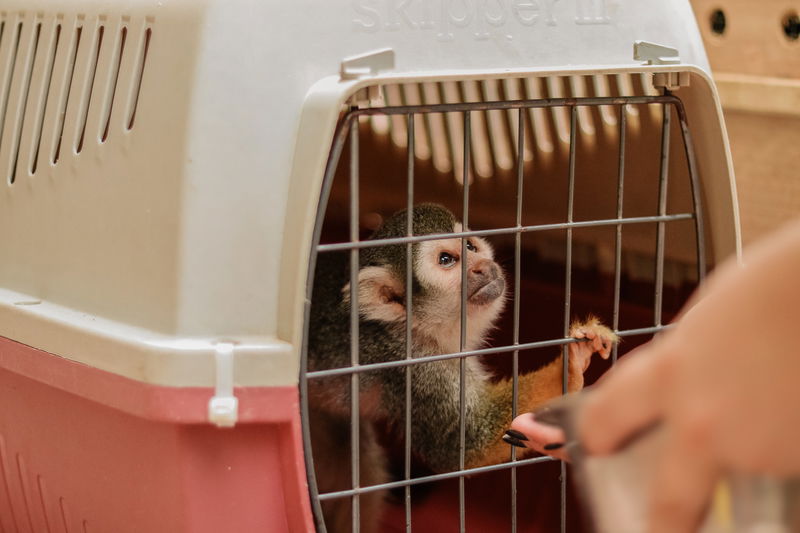
“Attention all stations, attention all stations. We will now move the Squirrel Monkeys to their new habitat.”
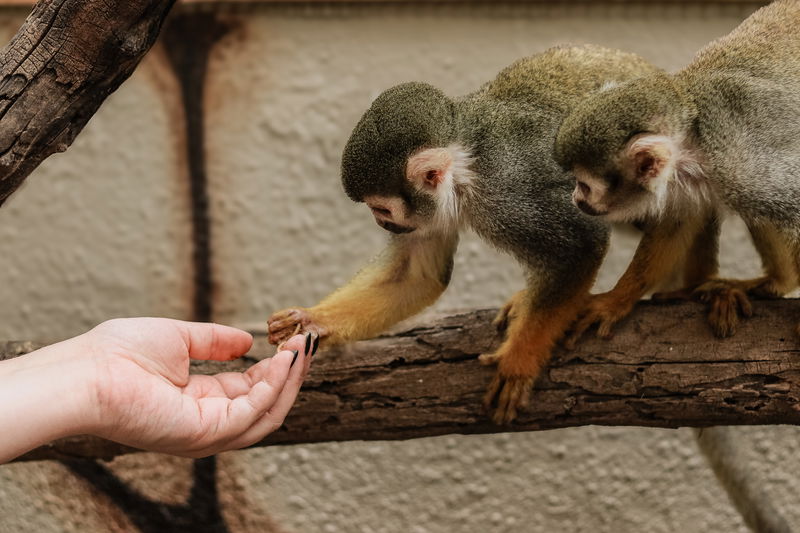
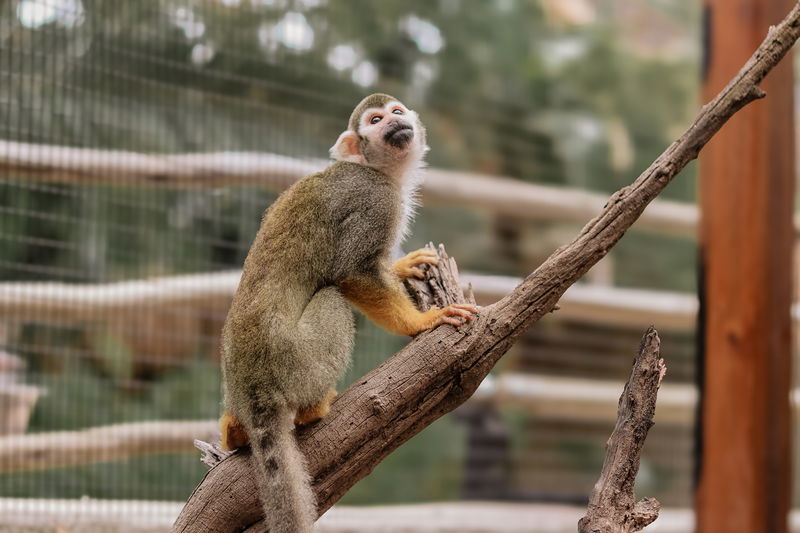
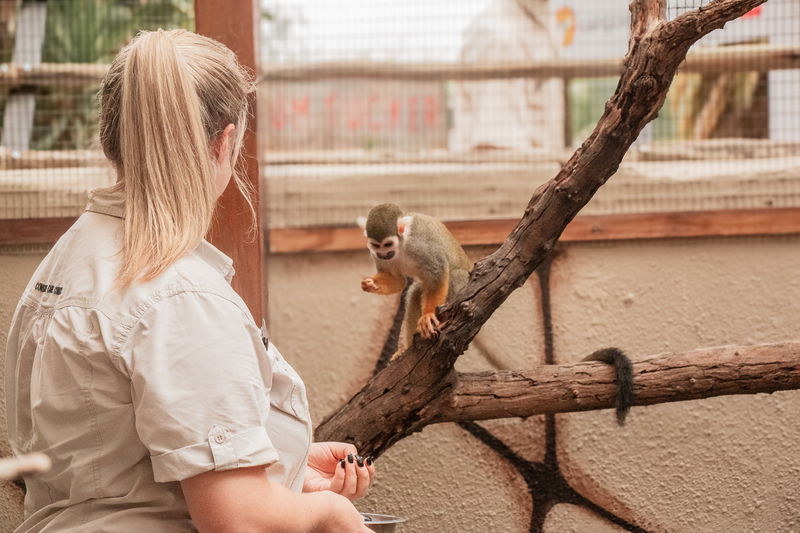
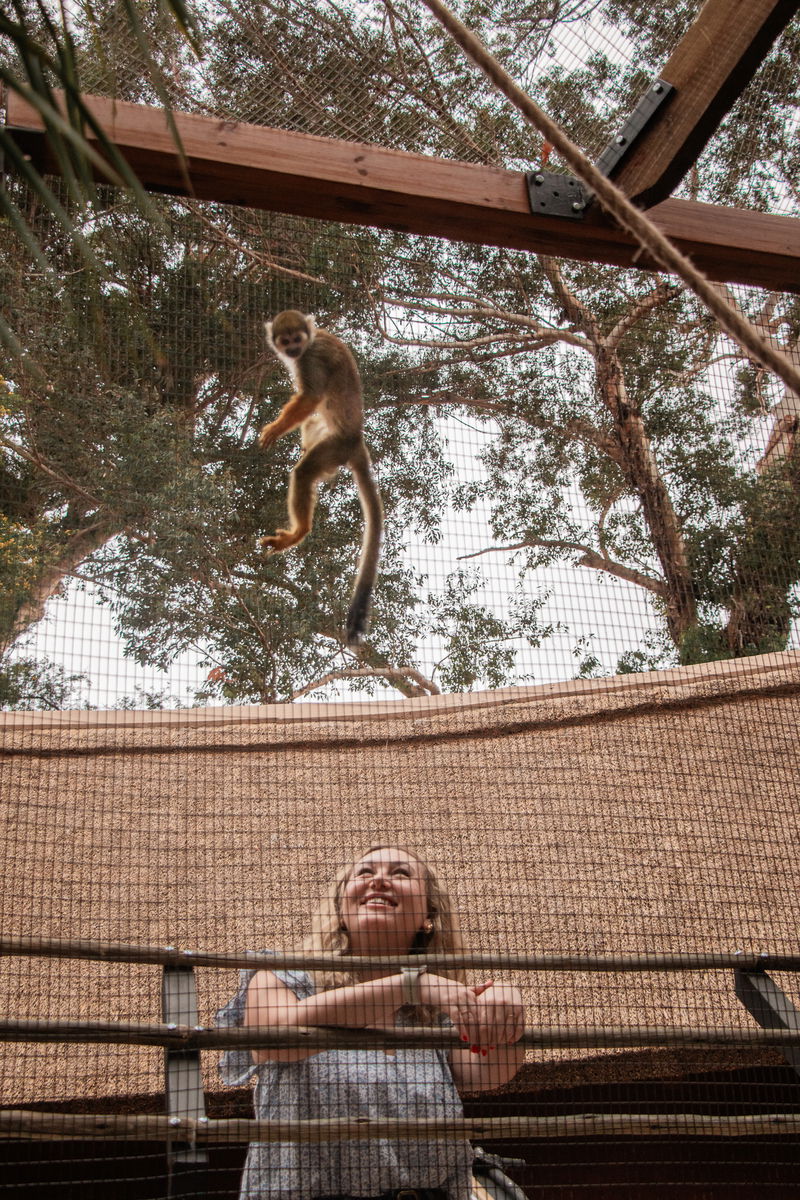
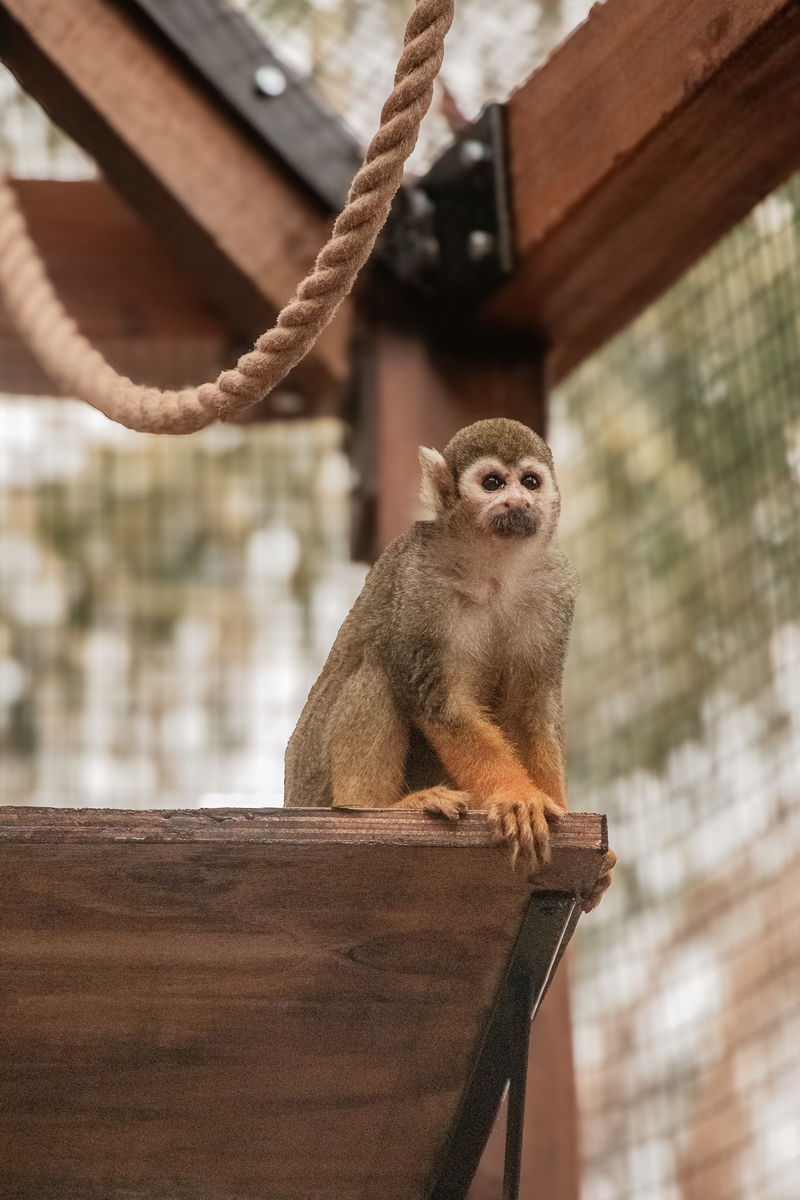
In that moment, months of hard work and years of planning converged. As the sun rose, our six Squirrel Monkeys entered their new space for the first time. There was no hesitation. They moved with confidence, exploring every level, pathway and hidden corner of the habitat. Curiosity took over immediately, exactly as it should.
Their journey to Saimiri Ruins did not happen quickly. For five years, these monkeys were part of the Cango Wildlife family behind the scenes, while their permanent habitat slowly took shape. Plans were revised and redrawn. Late nights became early mornings. Covid caused unavoidable delays. Loadshedding slowed construction. Flooding forced rebuilds. Each challenge tested timelines and patience, but never the belief that these animals deserved a space designed specifically for their needs.
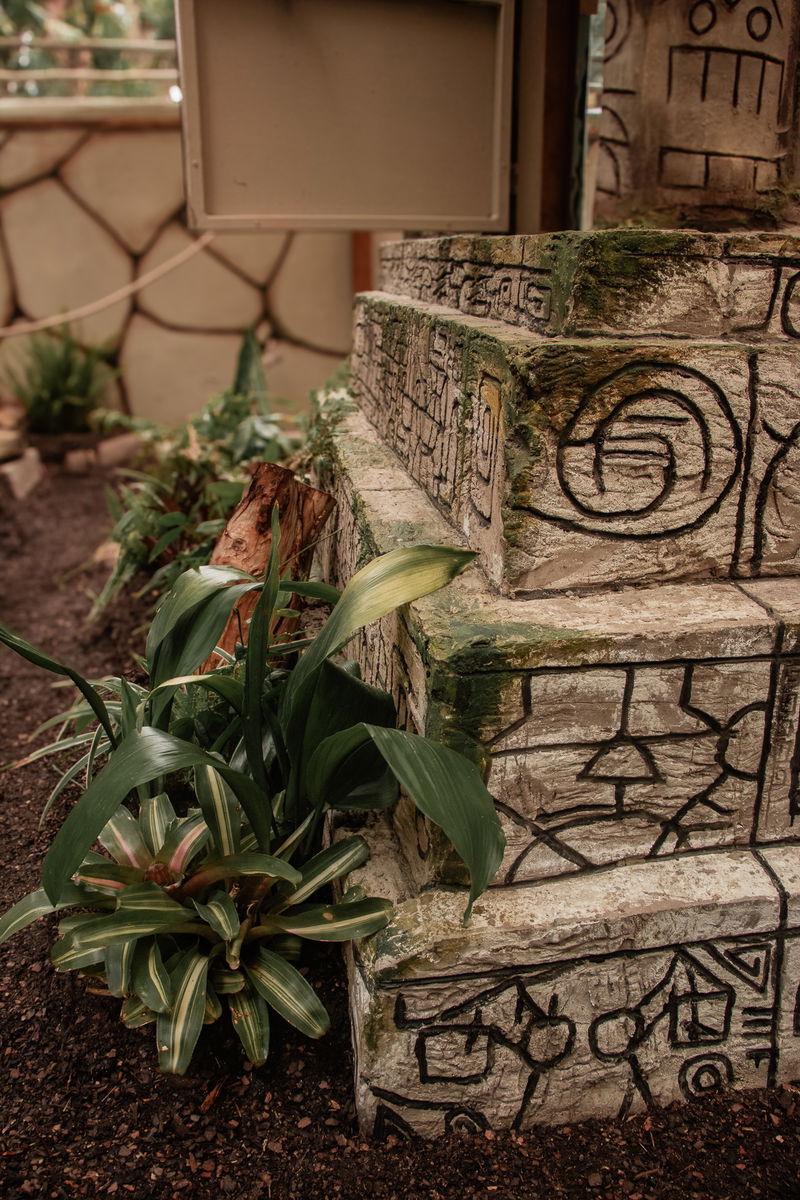
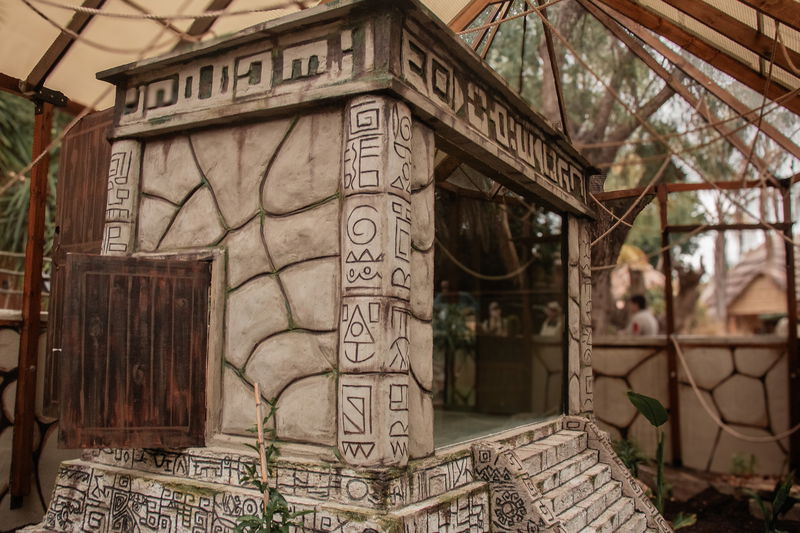
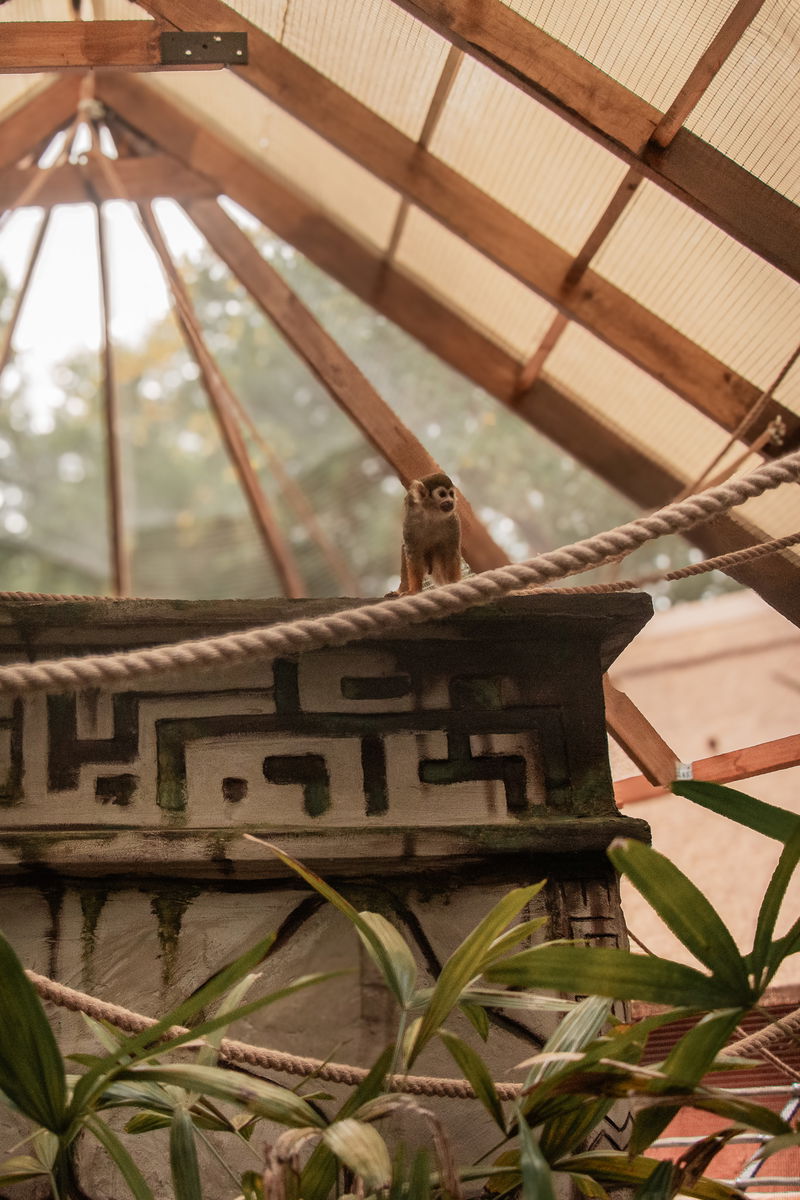
Saimiri Ruins takes its name from the Saimiri genus, the scientific group that squirrel monkeys belong to, paired with the idea of ruins as places shaped by humans and later reclaimed by nature. The enclosure reflects landscapes found across Central and South America, where forests fragment around abandoned structures, river edges, and old settlements. Life continues in these in between spaces. Animals adapt. Forests begin to return. This habitat represents that moment of transition. A place where movement, resilience, and recovery coexist, and where squirrel monkeys thrive in an environment that mirrors the changing world they come from.
At the heart of this achievement is our maintenance department, who went far beyond their usual scope. They built, shaped and refined the structure of the habitat with care and precision, often working under pressure and tight timelines. Alongside them, Hilton Jackson Art transformed the space into something truly special, painting immersive scenes and sculpting the temple that now defines the exhibit. The result is a habitat that feels alive, layered and rich in story, offering both function and beauty.
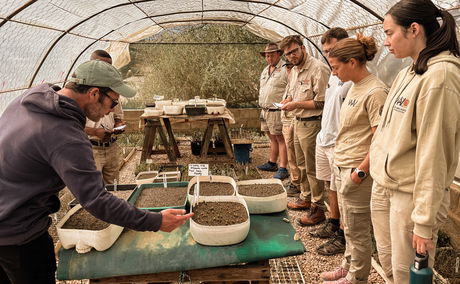
Our zoological and sustainability teams were deeply involved throughout the process, monitoring every detail to ensure the habitat met the highest welfare and environmental standards. Plant selection was approached with intention, sourcing species that support natural behaviour while remaining resilient in the local climate. The soil was carefully prepared and frozen prior to planting, a crucial step that eliminates pests and pathogens, stabilises the substrate and ensures a clean, safe foundation for both plants and primates. These details, often unseen by visitors, are essential to long-term animal health and habitat success.
Saimiri Ruins tells a story that extends far beyond the enclosure itself. Inspired by abandoned human settlements across Central and South America, the habitat reflects a moment where structures remain, but nature is beginning to reclaim what was left behind. In the wild, Squirrel Monkeys are found across Central and South America, living near rivers and moving rapidly through forest canopies. Small primates like these play an important ecological role, spreading seeds, controlling insects and supporting forest regeneration over time.
Watching them move through their new environment is a powerful reminder of why this project mattered so deeply. Every leap reflects adaptability. Every interaction shows intelligence. Every moment affirms the value of patience, planning and care.
Saimiri Ruins is not a story of loss. It is a beginning. A reminder that with time, intention and respect for nature, renewal is always possible.
We invite visitors to experience this remarkable habitat firsthand and watch curiosity in motion.
Share This Post
Latest News
-
 From 1 Gram To The Night Sky
Thu February 26, 2026 -
 When Conservation Meets Celebration
Thu February 26, 2026 -
 Rooted In Restoration
Thu February 26, 2026 -
 From 5cm To Freedom
Thu February 26, 2026 -
 A Second Chance For A Porcupette
Thu February 26, 2026 -
 Forty Years - Forty Percent
Thu February 26, 2026 -
 Knysna Dwarf Chameleon In Oudtshoorn
Thu February 26, 2026 -
 Community Clean Up
Thu February 26, 2026 -
 Small Contributions, Lasting Impact
Thu February 26, 2026 -
 Welcoming Our Academy Students Of 2026
Thu February 26, 2026
Further Reading
From 1 Gram To The Night Sky
Thu February 26, 2026
Read This Article
When Conservation Meets Celebration
Thu February 26, 2026
Read This Article
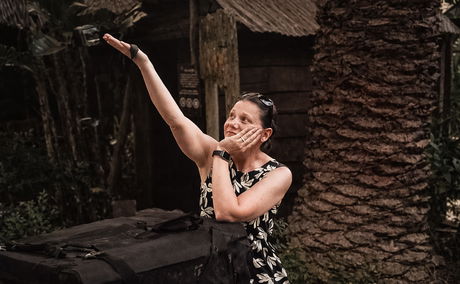
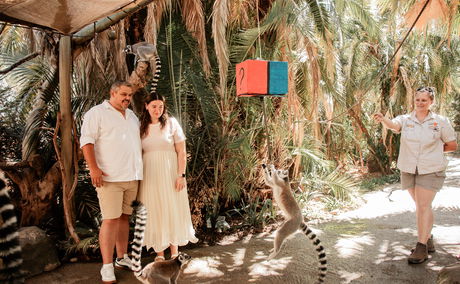
On the first of February, Monique and Rouan Engelbrecht chose to celebrate one of life’s most meaningful milestones in a way that reflected their values. They hosted a conservation conscious gender reveal at Cango Wildlife.
Rooted In Restoration
Thu February 26, 2026
Read This Article
At Cango Wildlife, conservation isn’t something we only talk about; it’s something we’re constantly trying to refine, improve, and live out in practical ways. That includes looking inward: examining how we manage our own environmental footprint, how we treat and restore the land we steward, and how we align our practices with the bigger global sustainability framework - from South Africa’s climate goals to the guiding principles of UN-aligned sustainability and the...
Share This Post