

Oudtshoorn is about to gain a new kind of neighbour: a working campus, built on sustainability principles, aimed squarely at the town's future workforce. On 1 September, Cango Wildlife will officially open its new Africa Skills Cango Academy site to an invite-only audience of civic and business leaders. Four days later, on 5 September, the doors open to the public for a community open day at 291 Adderley Street. Locals will be...
Changing the future of conservation
Posted on Thu January 29, 2026.
For a conservation organisation based in Oudtshoorn, moments like this do not come often. And when they do, they are worth pausing for.
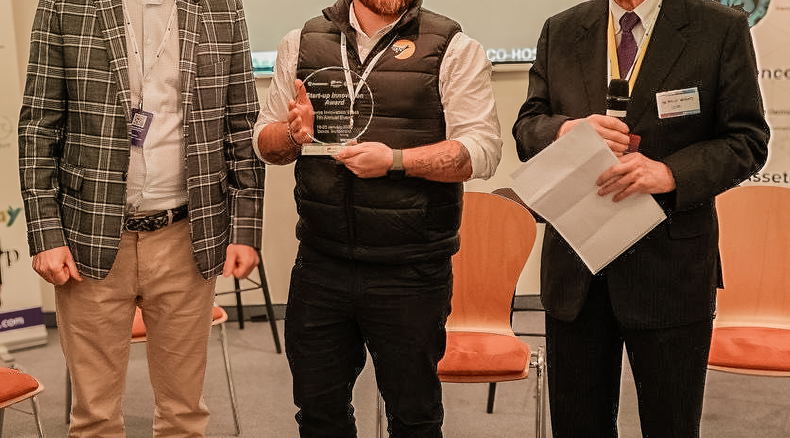
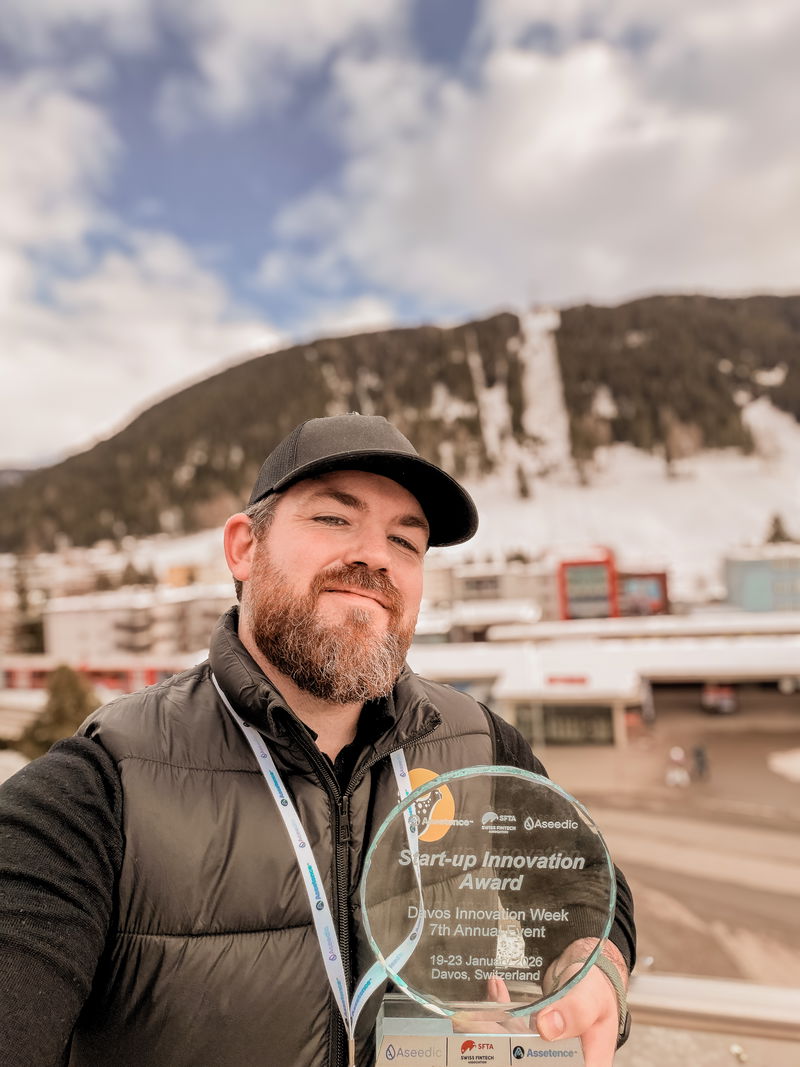
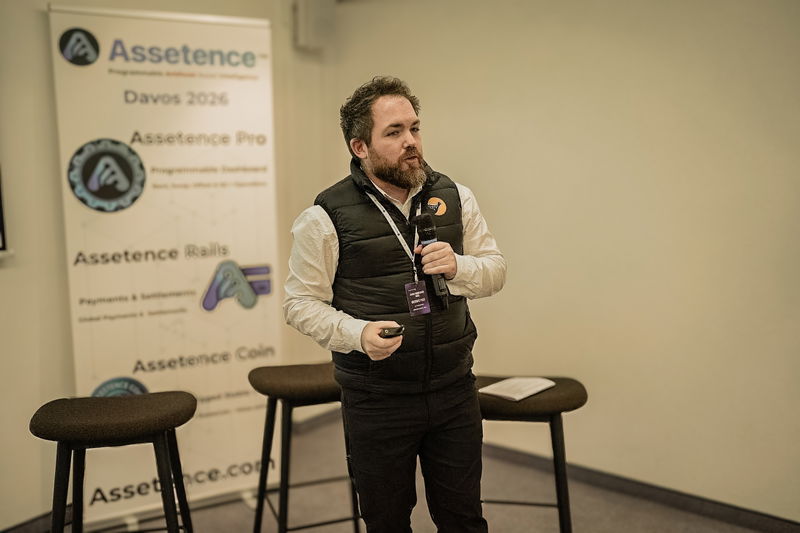
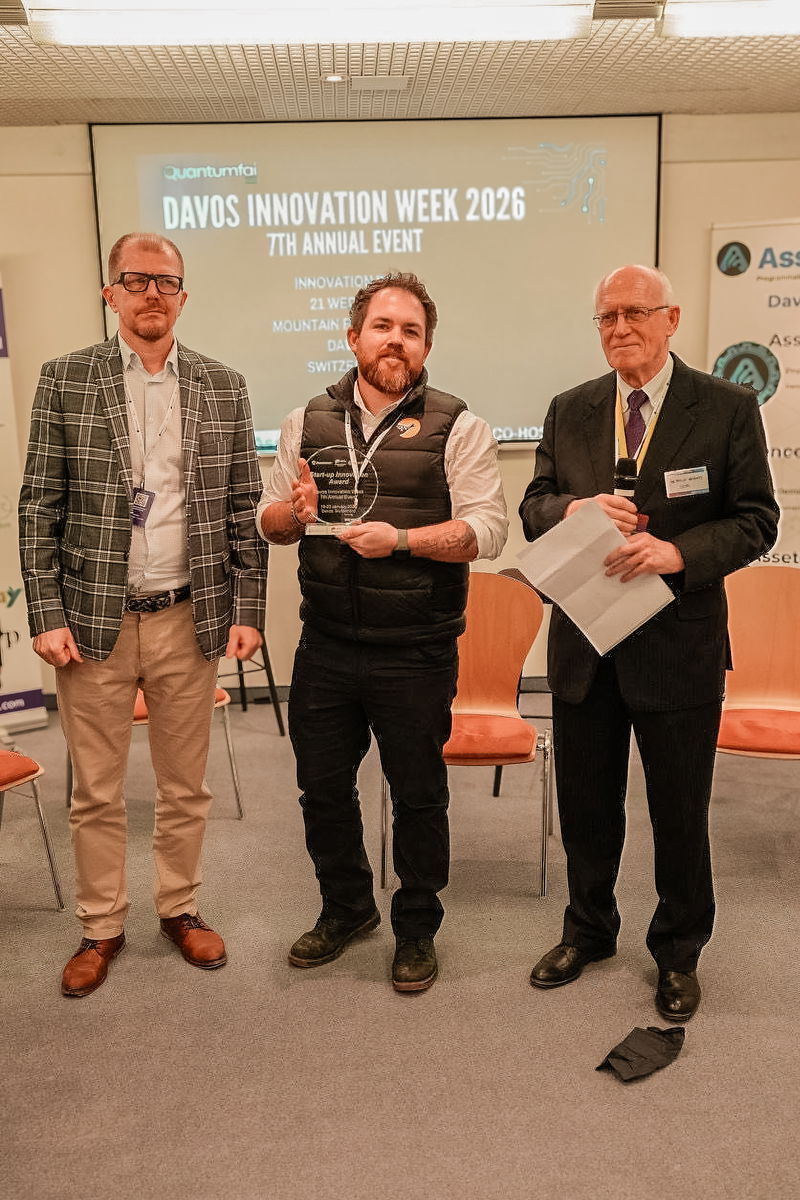
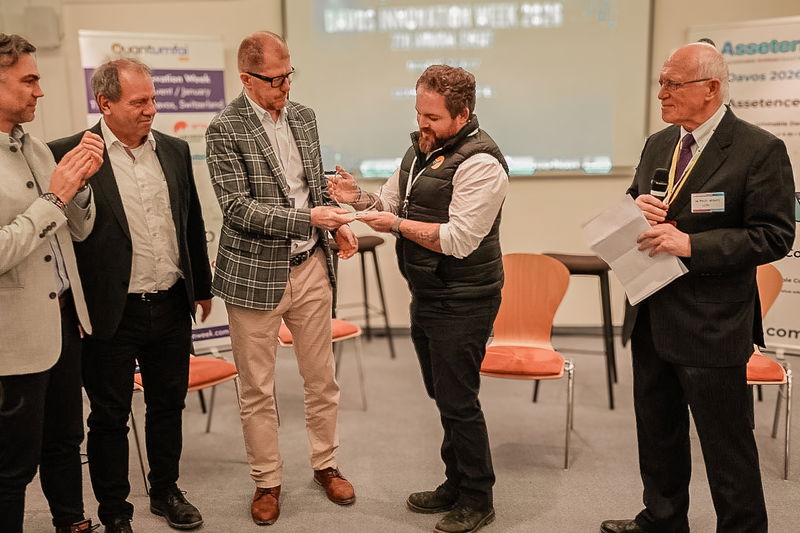
This year, a South African conservation technology project founded by our CEO, Douglas Eriksen, was recognised on the global stage at the World Economic Forum in Davos. Project ZOA, or Zoological Open Architecture, was awarded the Startup Innovation Award for Top AI Sustainability Project during Davos Innovation Week 2026.
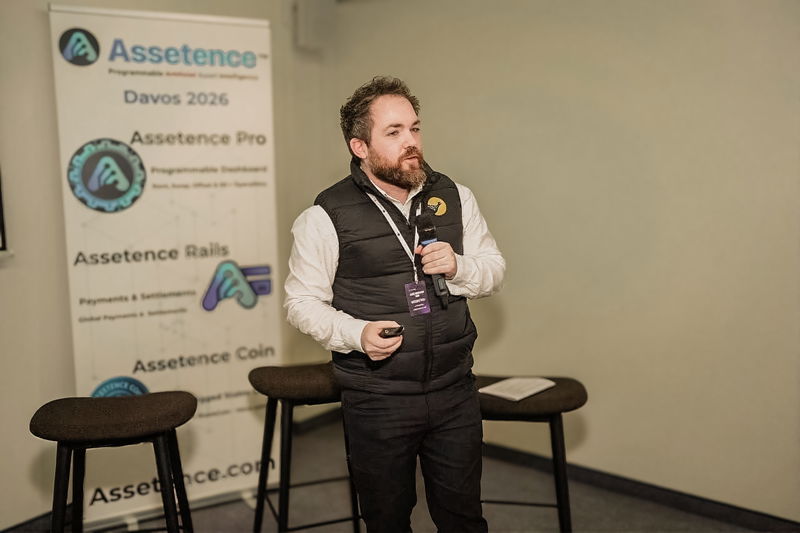
Project ZOA was founded in South Africa and presented in Davos by Douglas himself. Alongside leading policymakers and technology investors from around the world, the project brought conservation into conversations where it has not always been present.
At Cango Wildlife, conservation is not theoretical. It is lived daily, through animal care, habitat management, and long term commitment to threatened species. That lived experience sits at the heart of Project ZOA’s work.
“We are living through an unprecedented era of technological change,” said Eriksen. “Artificial intelligence is reshaping how decisions are made. But when those systems do not understand nature, the consequences can be serious.”
As artificial intelligence increasingly influences decisions around land use, infrastructure, finance, and development, the natural world is often poorly represented in the data guiding those decisions. Project ZOA exists to address that gap.
The project is developing the Ecological Intelligence Dataset, known as EID. The dataset transforms real, verified observations of wildlife and ecosystems into information that artificial intelligence systems can accurately read, compare, and use. The goal is simple. To ensure that nature is visible in systems shaping the future.
Project ZOA was presented at the largest World Economic Forum gathering to date and recognised among global innovation leaders. It stands as a reminder that conservation knowledge has a role to play far beyond traditional spaces.
The initiative is a partnership between Cango Wildlife, technology company Zindalo, and Wits Enterprise, the research commercialisation arm of the University of the Witwatersrand. Cango Wildlife serves as the zoological infrastructure anchor for the project’s data collection and verification systems, grounding the work in real world conservation practice.
For us, this recognition is more than an award. It reflects what becomes possible when conservation experience, responsibility, and innovation come together.
It is a moment of pride. And a reminder that the work done here, every day, has relevance and impact far beyond our facility.
Share This Post
Latest News
-
 A New Campus And It Is Only The Beginning
Thu August 27, 2026 -
 Making Waves Beyond Cango
Thu August 27, 2026 -
 Two Peas In A Pod
Thu August 27, 2026 -
 A Cango Experience They’ll Carry Forever
Thu August 27, 2026 -
 The Story Behind The Menu
Thu August 27, 2026 -
 The Importance of Enrichment at Cango Wildlife
Thu August 27, 2026 -
 Knowledge, Laughter and a Little Friendly Competition
Fri July 31, 2026 -
 Shaping The Next Generation Of Wildlife Veterinarians
Thu July 30, 2026 -
 Walking Together
Thu July 30, 2026 -
 Celebrating The People Behind The Care
Thu July 30, 2026
Further Reading
A New Campus And It Is Only The Beginning
Thu August 27, 2026
Read This Article
Making Waves Beyond Cango
Thu August 27, 2026
Read This Article
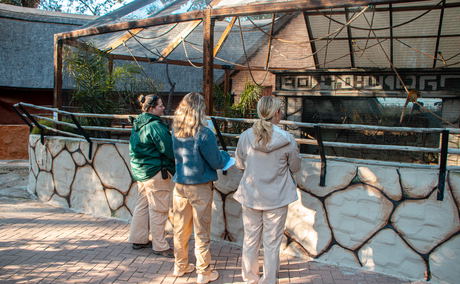
At Cango Wildlife, learning is not something that ends with a qualification. It continues every day through the animals in our care, the people we work alongside and the knowledge shared across the wider wildlife community. For Pippa, one of our dedicated Animal Caregivers, that passion for continued learning is now taking her beyond Cango Wildlife as she begins making her mark within the broader animal-care community. Recently, Pippa was invited to...
Two Peas In A Pod
Thu August 27, 2026
Read This Article
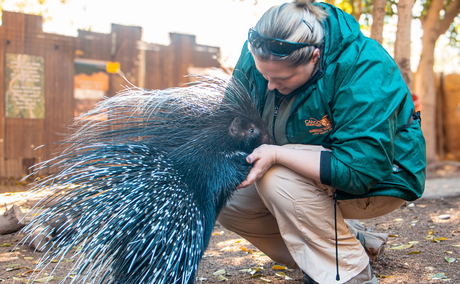
How patience, trust and training created a special bond between Animal Caregiver Pippa and Patricia, our Cape Porcupine When Patricia arrived at Cango Wildlife as a tiny baby, few could have predicted the relationship that would develop between this little bundle of quills and Animal Caregiver Pippa. For Pippa, however, the connection began with something very simple: time. Bottle feeds, playtime, cleaning and every spare opportunity to be around Patricia became the...
Share This Post