


Oudtshoorn is about to gain a new kind of neighbour: a working campus, built on sustainability principles, aimed squarely at the town's future workforce. On 1 September, Cango Wildlife will officially open its new Africa Skills Cango Academy site to an invite-only audience of civic and business leaders. Four days later, on 5 September, the doors open to the public for a community open day at 291 Adderley Street. Locals will be...
From Rescue To Release
Posted on Mon September 8, 2025.
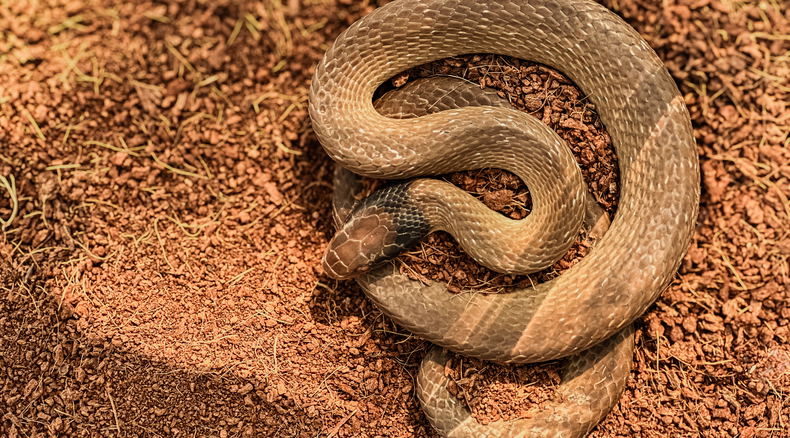
While carrying out their daily tasks near our workshop, our maintenance team spotted an unexpected visitor — a Red-lipped Herald. This striking little snake is native to Southern Africa and is easily identified by the reddish-orange tint around its mouth. Although mildly venomous, the Red-lipped Herald is considered harmless to humans and plays an important role in maintaining healthy ecosystems.
On closer inspection, our Animal Care team noticed an old injury on the snake’s tail, with a small piece of bone exposed. The snake was carefully transported to a veterinarian, where the damaged section of tail was humanely amputated to ensure a safe recovery. After surgery, the Herald was brought to our Care Centre, where it was closely monitored until fully healed.
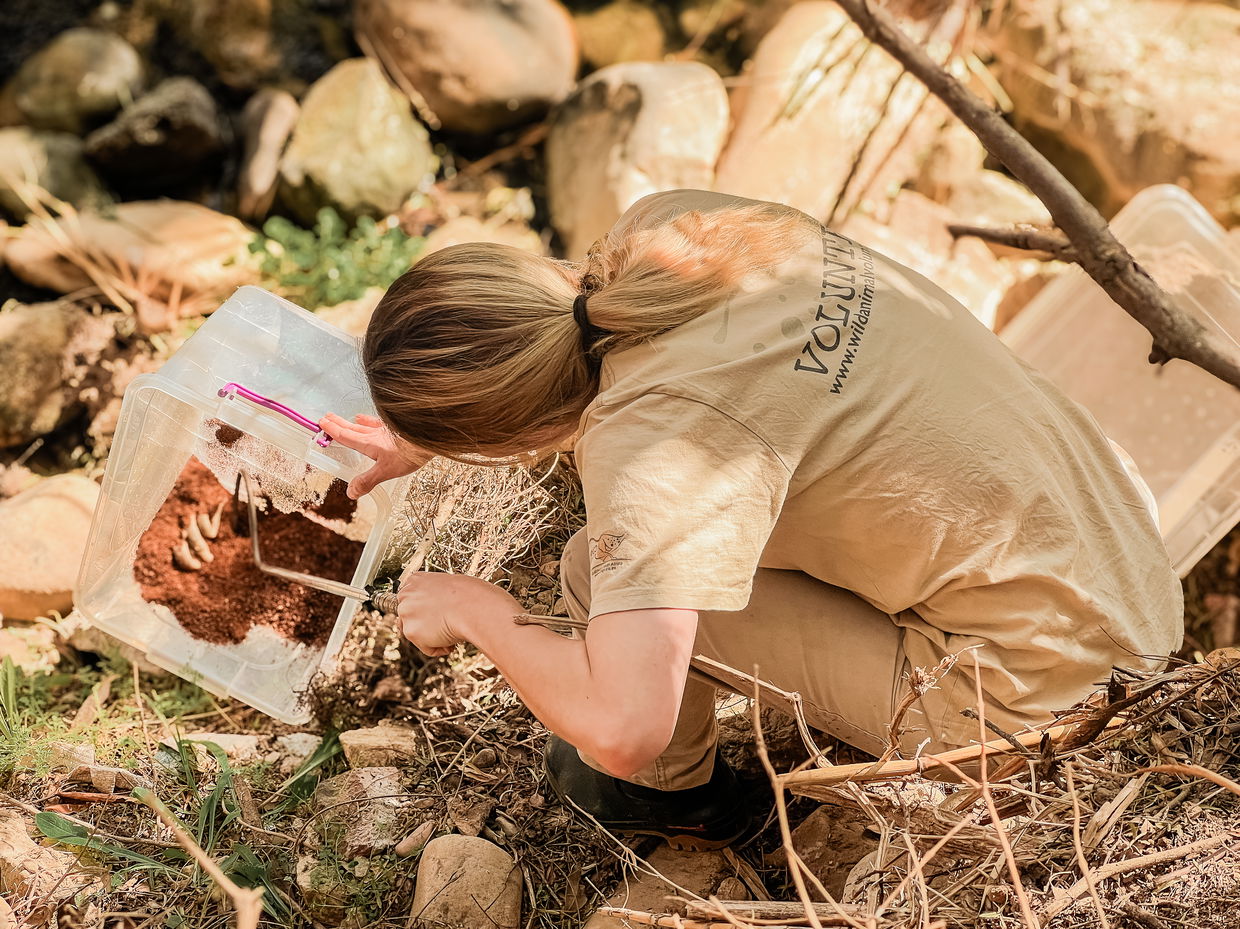 The happiest moment came when the snake was strong and healthy enough to return to the wild. The release was carried out by Tamryn Roux, one of our dedicated Wild Animal Volunteer Hosts, who works closely with our Zoological Department and is trained to assist with safe wildlife releases. Watching the snake glide back into the vegetation was a rewarding reminder of the difference care and teamwork can make.
Whether it is a large predator or a small snake, every life is valued, and we will always do our very best to assist.
Did You Know?
- The Red-lipped Herald's scientific name is Crotaphopeltis hotamboeia.
- They are nocturnal snakes, often found near water or in damp habitats.
- Their diet includes frogs, small lizards, and occasionally rodents, making them important natural pest controllers.
- When threatened, they put on quite a show - inflating their necks and hissing dramatically to scare off predators.
- Despite their defensive display, they are shy snakes and pose little threat to humans.
Share This Post
Latest News
-
 A New Campus And It Is Only The Beginning
Thu August 27, 2026 -
 Making Waves Beyond Cango
Thu August 27, 2026 -
 Two Peas In A Pod
Thu August 27, 2026 -
 A Cango Experience They’ll Carry Forever
Thu August 27, 2026 -
 The Story Behind The Menu
Thu August 27, 2026 -
 The Importance of Enrichment at Cango Wildlife
Thu August 27, 2026 -
 Knowledge, Laughter and a Little Friendly Competition
Fri July 31, 2026 -
 Shaping The Next Generation Of Wildlife Veterinarians
Thu July 30, 2026 -
 Walking Together
Thu July 30, 2026 -
 Celebrating The People Behind The Care
Thu July 30, 2026
Further Reading

A New Campus And It Is Only The Beginning
Thu August 27, 2026
Read This Article

Making Waves Beyond Cango
Thu August 27, 2026
Read This Article
At Cango Wildlife, learning is not something that ends with a qualification. It continues every day through the animals in our care, the people we work alongside and the knowledge shared across the wider wildlife community. For Pippa, one of our dedicated Animal Caregivers, that passion for continued learning is now taking her beyond Cango Wildlife as she begins making her mark within the broader animal-care community. Recently, Pippa was invited to...
Two Peas In A Pod
Thu August 27, 2026
Read This Article
How patience, trust and training created a special bond between Animal Caregiver Pippa and Patricia, our Cape Porcupine When Patricia arrived at Cango Wildlife as a tiny baby, few could have predicted the relationship that would develop between this little bundle of quills and Animal Caregiver Pippa. For Pippa, however, the connection began with something very simple: time. Bottle feeds, playtime, cleaning and every spare opportunity to be around Patricia became the...
Share This Post