

Oudtshoorn is about to gain a new kind of neighbour: a working campus, built on sustainability principles, aimed squarely at the town's future workforce. On 1 September, Cango Wildlife will officially open its new Africa Skills Cango Academy site to an invite-only audience of civic and business leaders. Four days later, on 5 September, the doors open to the public for a community open day at 291 Adderley Street. Locals will be...
A Life In Care: From Curiosity To Calling
Posted on Fri March 27, 2026.
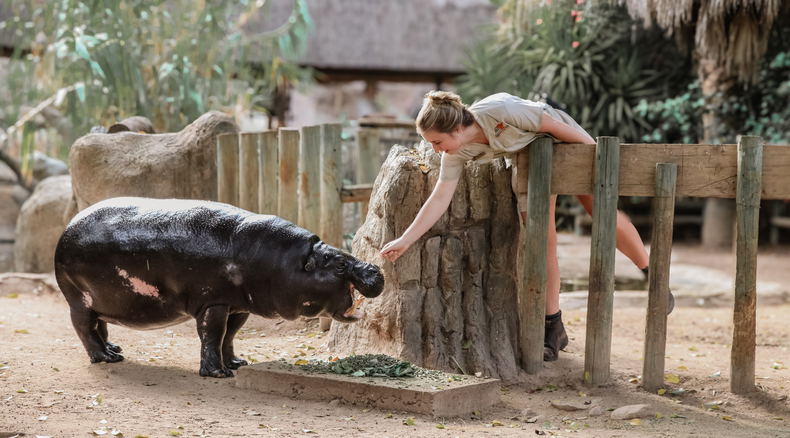
Some careers are chosen. Others take shape slowly, over time.
For Jenna, the path into wildlife care did not begin with a single decision. It began in childhood, outdoors, in gardens, on camping trips, and in small, consistent moments that built a lasting connection to nature. Growing up between Johannesburg and the UK, her early years were shaped by movement and change, but one thing remained constant, a deep curiosity about the natural world, encouraged by her father who shared his own love for wildlife.
After school, that curiosity became direction. She pursued Conservation Management, studying both Captive Animal Management and Game Ranch Management. Her time at Sondela Academy offered more than theory. It provided access to hands on experience, rehabilitation work, guiding, animal care, and real responsibility. It was there that the path became clear, and she chose to specialise in working directly with animals.
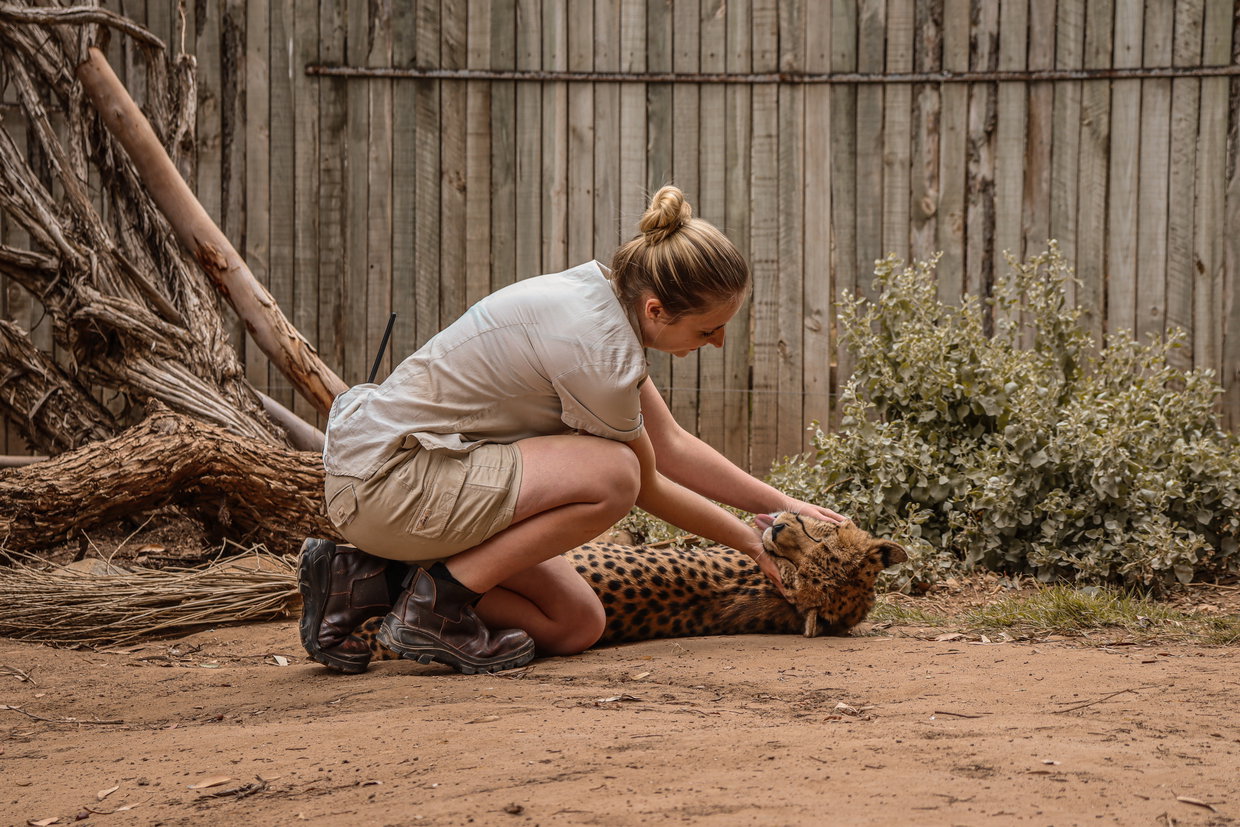 After completing her studies, she found her way to Cango Wildlife. A single application led to an interview, a return trip home, and shortly after, an opportunity. She began as an Animal Handler and Caregiver. From the start, the work was varied, working with mammals and birds, following daily routines that never felt the same twice. Over time, her role expanded, and so did her understanding of the work. It was not about focusing on one species, but rather learning about many, adapting, observing, and growing.
Even her own preferences shifted. Where birds once held little interest, they now stand out as a favourite, particularly raptors such as owls, eagles, hawks, and falcons. Species that require patience, precision, and respect. Today, she works as an Assistant Curator, a role built on years of steady development, shaped by both experience and consistency.
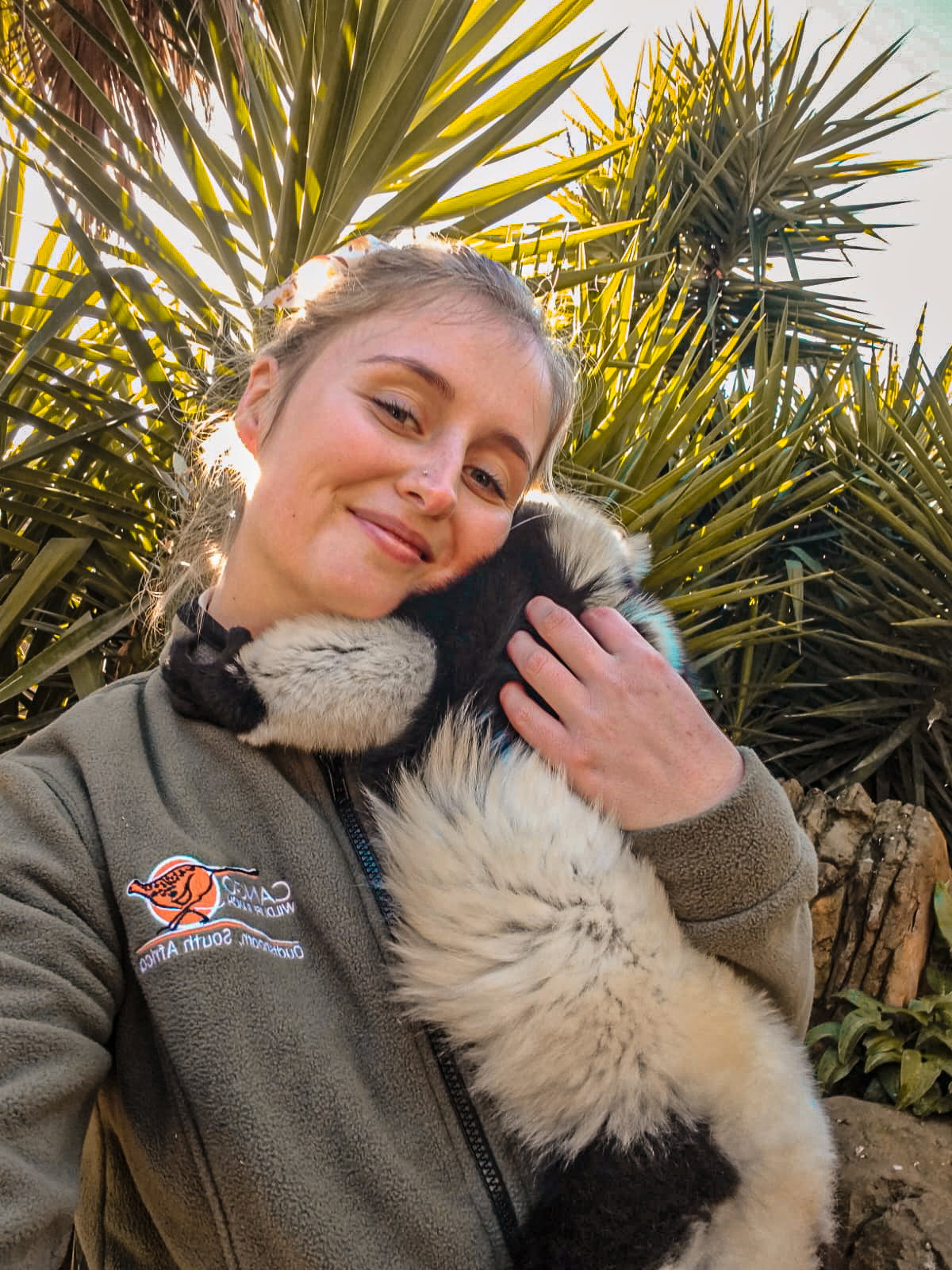 Her work now extends beyond the facility. She is a member of the South African Animal Keepers Association, a professional body established in December 2024 to connect and support animal care professionals across the country. Her introduction came through a welfare workshop at the Johannesburg Zoo in October 2025, where she met other keepers from different facilities, each bringing their own perspective but sharing the same purpose.
The value of this connection was immediate. It created space for knowledge exchange, learning, and collaboration. The association supports this through workshops, webinars, and ongoing engagement, strengthening welfare standards and building a network across the industry. Because this work is not done in isolation.
From the outside, working with animals is often seen as rewarding and fulfilling, and it is. But it also carries weight. There are difficult days and moments that require decisions to be made not from emotion, but from responsibility. Decisions that prioritise the wellbeing of the animal above all else. It is a reality that many do not see, yet it remains an essential part of the role.
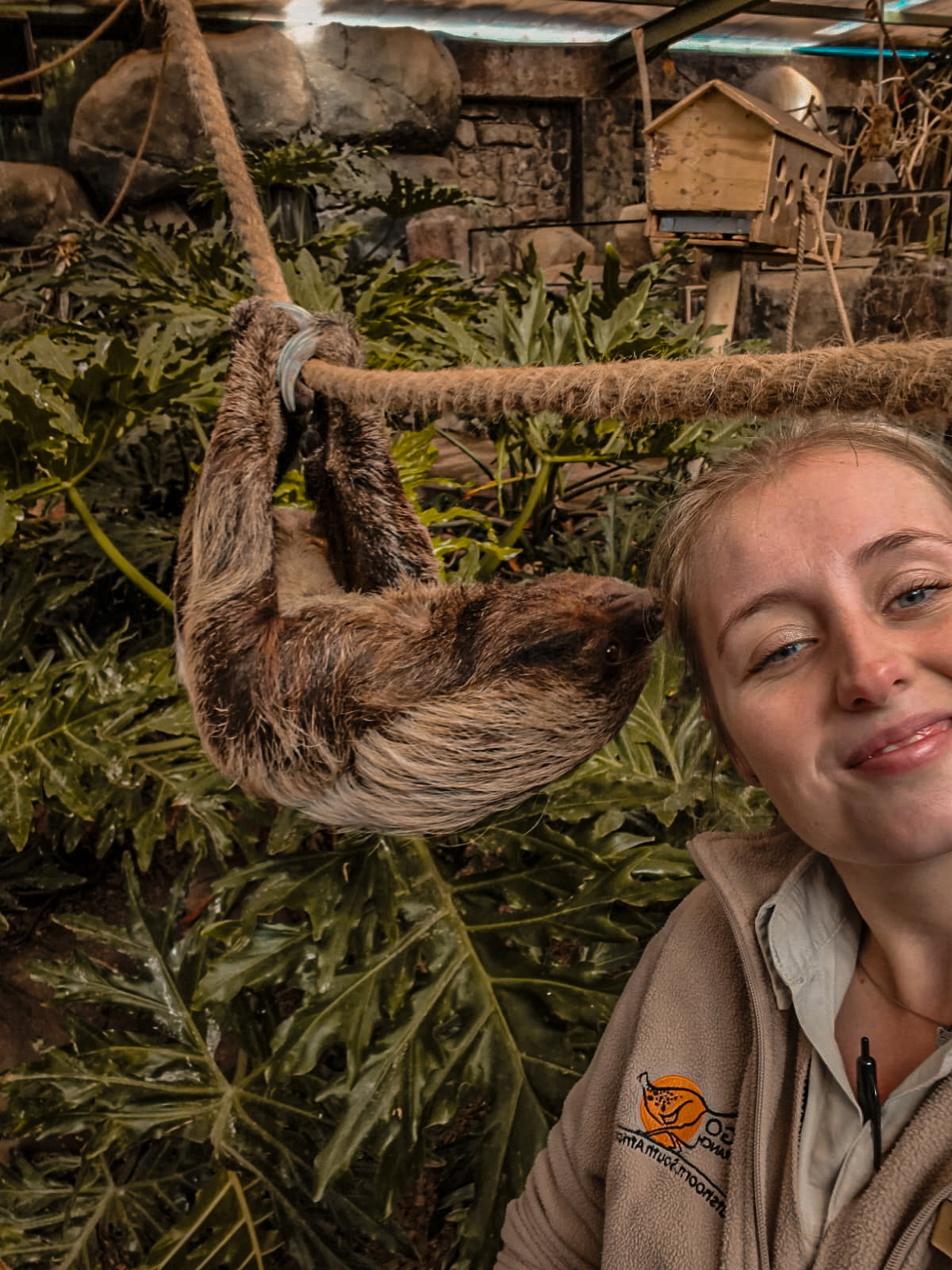 Alongside this, there are moments that define why the work matters. For her, those moments come through rehabilitation, through the opportunity to give an animal a second chance. Over the years, she has been part of numerous releases, including Barn Owls and Spotted Eagle Owls, animals that have moved from care back into the wild.
Not every outcome is the same. Some animals remain in managed care, while others return to their natural environment. But each one matters. Each one represents impact, a life extended, a second chance given. That is where the meaning sits.
This understanding shapes her advice to those entering the field. Do not work alone. Wildlife care is built on shared knowledge, collaboration, and learning from those around you. No one person carries all the answers. Working as a team leads to better outcomes for the animals, for the people involved, and for the system as a whole.
Above all, keep perspective. This work is not about the individual. It is about the animal. In the end, that is what defines the role. Not recognition. Not ownership. Care.
Share This Post
Latest News
-
 A New Campus And It Is Only The Beginning
Thu August 27, 2026 -
 Making Waves Beyond Cango
Thu August 27, 2026 -
 Two Peas In A Pod
Thu August 27, 2026 -
 A Cango Experience They’ll Carry Forever
Thu August 27, 2026 -
 The Story Behind The Menu
Thu August 27, 2026 -
 The Importance of Enrichment at Cango Wildlife
Thu August 27, 2026 -
 Knowledge, Laughter and a Little Friendly Competition
Fri July 31, 2026 -
 Shaping The Next Generation Of Wildlife Veterinarians
Thu July 30, 2026 -
 Walking Together
Thu July 30, 2026 -
 Celebrating The People Behind The Care
Thu July 30, 2026
Further Reading
A New Campus And It Is Only The Beginning
Thu August 27, 2026
Read This Article
Making Waves Beyond Cango
Thu August 27, 2026
Read This Article
At Cango Wildlife, learning is not something that ends with a qualification. It continues every day through the animals in our care, the people we work alongside and the knowledge shared across the wider wildlife community. For Pippa, one of our dedicated Animal Caregivers, that passion for continued learning is now taking her beyond Cango Wildlife as she begins making her mark within the broader animal-care community. Recently, Pippa was invited to...
Two Peas In A Pod
Thu August 27, 2026
Read This Article
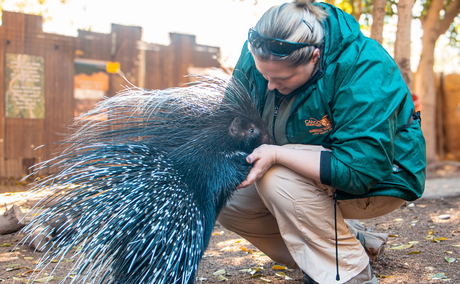
How patience, trust and training created a special bond between Animal Caregiver Pippa and Patricia, our Cape Porcupine When Patricia arrived at Cango Wildlife as a tiny baby, few could have predicted the relationship that would develop between this little bundle of quills and Animal Caregiver Pippa. For Pippa, however, the connection began with something very simple: time. Bottle feeds, playtime, cleaning and every spare opportunity to be around Patricia became the...
Share This Post