
Oudtshoorn is about to gain a new kind of neighbour: a working campus, built on sustainability principles, aimed squarely at the town's future workforce. On 1 September, Cango Wildlife will officially open its new Africa Skills Cango Academy site to an invite-only audience of civic and business leaders. Four days later, on 5 September, the doors open to the public for a community open day at 291 Adderley Street. Locals will be...
A Closer Look at Our Veterinary Internships
Posted on Thu August 28, 2025.
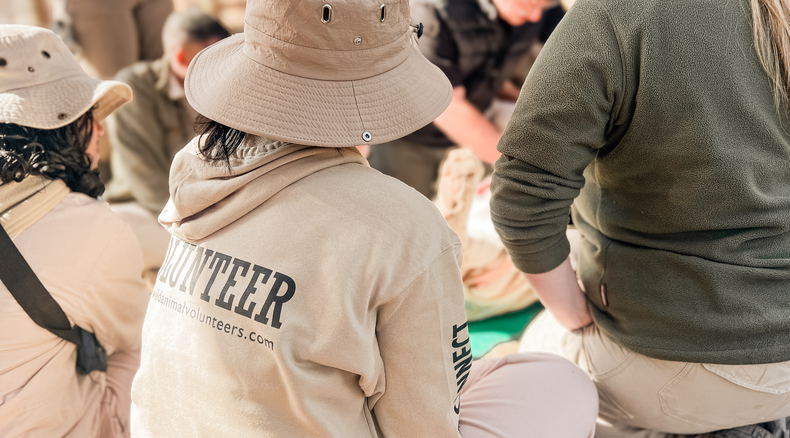
At Cango Wildlife Ranch, every day offers new lessons in conservation, care, and connection. Through our Wild Animal Volunteers (WAV) Internship Programme and partnerships with organisations like Loop Abroad, students from across the globe gain first-hand exposure to the vital veterinary work that underpins wildlife conservation.
Learning by Observation and Experience
For many interns, the journey begins not with hands-on procedures, but with observation. Veterinary medicine requires patience and precision, and our students quickly learn that sometimes the most important role is to watch closely, take notes, and absorb knowledge from the professionals.
During their time with us, interns have learned:
- How wild animals can be safely sedated without the need for darting.
- The key signs to monitor while an animal is sedated, including breathing checks and symptom observation.
- How to accurately record medications administered and transfer those records into ZIMS (Zoological Information Management System), the global zoo management system.
- How to study animal behaviour and complete ethograms, which track and record an animal’s activity over time. This skill helps interns recognise subtle changes in behaviour, often the first indication that something may not be quite right.
Real-Life Cases at the Ranch
Each veterinary procedure provides a unique window into the complexities of caring for wild animals. During their internship, they had the chance to observe several important cases:
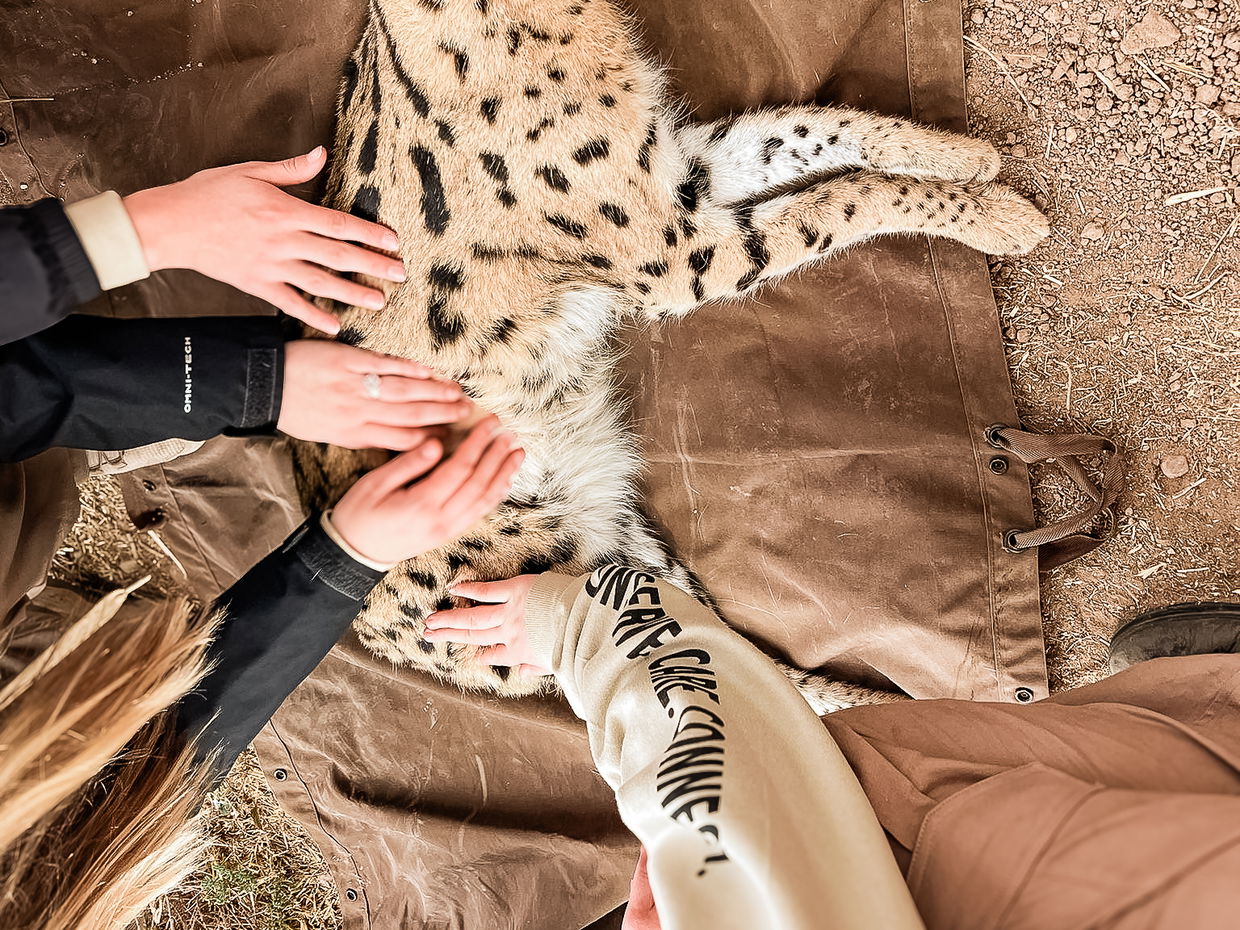 Maalik the Serval - Maalik required sedation in order for the veterinary team to perform essential procedures safely. Interns observed how animals are carefully monitored throughout sedation, from breathing to reflexes, and learned about the importance of non-invasive sample collection, such as gathering urine for further testing. These procedures ensure that health information is recorded and tracked without causing unnecessary stress.
Aella the Red-Rumped Agouti - Our agouti experienced a neurological condition that caused abnormal sensations in her foot. Veterinarians made the difficult but compassionate decision to amputate the limb to provide her with the best possible quality of life. Interns observed the procedure, engaged in Q&A with the vet team, and learned how animal welfare is always the guiding factor in medical decisions.
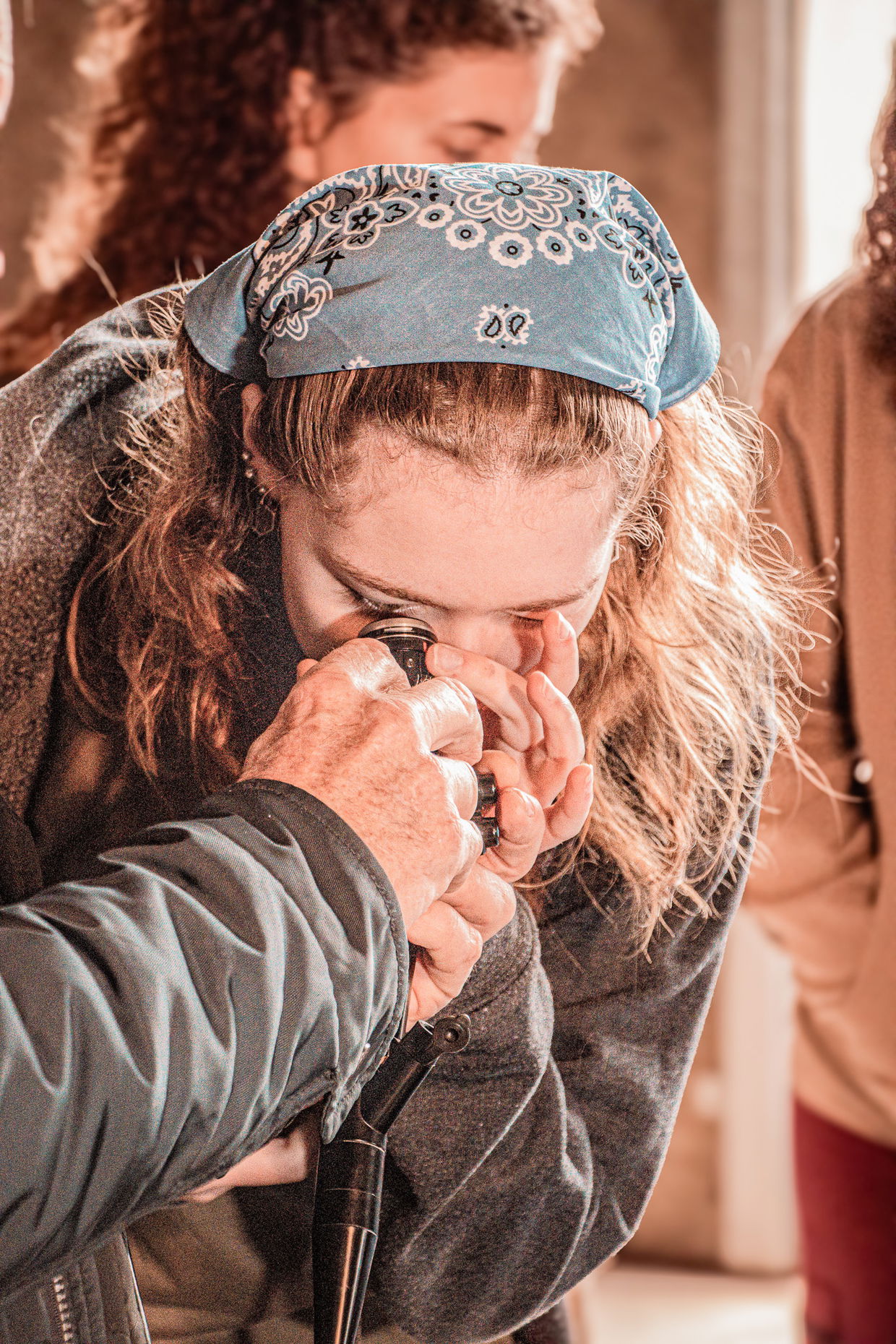 Cheetah Scoping - Our cheetahs undergo routine annual health checks that sometimes include an internal scope. This allows veterinarians to inspect the throat and stomach area, monitor reflexes, take temperatures, and assess overall condition. Students were able to observe how close monitoring of these animals ensures that even subtle health concerns are detected early.
Nile Crocodile Care - One of our crocodiles sustained a mild foot injury. To treat it, the veterinary team administered antibiotics and followed up with Necrospray, a protective topical treatment. Interns saw first-hand how reptiles, often perceived as tough and resilient, still require attentive medical care to prevent small issues from escalating.
The Reality of Wildlife Medicine
One of the most important lessons interns take away is that veterinary work in wildlife conservation is unpredictable. Not every intern will witness a medical procedure during their stay. Healthy animals mean fewer interventions, and sometimes the experience is all about learning how to care for wildlife in ways that prevent illness in the first place.
More Than Medicine
Whether they are observing a serval under sedation, watching a cheetah’s internal scope, or inputting critical data into ZIMS, WAV interns leave with a new appreciation for the role of veterinary medicine in conservation. They see first-hand how each action, big or small, supports the health and wellbeing of all wildlife, from the most abundant species to those that are threatened or endangered.
Behavioural Monitoring Matters
Alongside medical procedures, monitoring physical behaviours remains one of the most important aspects of animal care. Through the use of ethograms, interns learn how to document daily activities and behaviours that may indicate changes in health or wellbeing. These subtle observations often provide the first clues that an animal might need closer veterinary attention, making behaviour tracking an essential tool in proactive wildlife care.
For those who dream of working with wildlife, the internship is more than an academic exercise. It’s an unforgettable opportunity to be part of a team where saving lives, safeguarding futures, and protecting biodiversity happen every single day.
Share This Post
Latest News
-
 A New Campus And It Is Only The Beginning
Thu August 27, 2026 -
 Making Waves Beyond Cango
Thu August 27, 2026 -
 Two Peas In A Pod
Thu August 27, 2026 -
 A Cango Experience They’ll Carry Forever
Thu August 27, 2026 -
 The Story Behind The Menu
Thu August 27, 2026 -
 The Importance of Enrichment at Cango Wildlife
Thu August 27, 2026 -
 Knowledge, Laughter and a Little Friendly Competition
Fri July 31, 2026 -
 Shaping The Next Generation Of Wildlife Veterinarians
Thu July 30, 2026 -
 Walking Together
Thu July 30, 2026 -
 Celebrating The People Behind The Care
Thu July 30, 2026
Further Reading

A New Campus And It Is Only The Beginning
Thu August 27, 2026
Read This Article
Making Waves Beyond Cango
Thu August 27, 2026
Read This Article
At Cango Wildlife, learning is not something that ends with a qualification. It continues every day through the animals in our care, the people we work alongside and the knowledge shared across the wider wildlife community. For Pippa, one of our dedicated Animal Caregivers, that passion for continued learning is now taking her beyond Cango Wildlife as she begins making her mark within the broader animal-care community. Recently, Pippa was invited to...
Two Peas In A Pod
Thu August 27, 2026
Read This Article
How patience, trust and training created a special bond between Animal Caregiver Pippa and Patricia, our Cape Porcupine When Patricia arrived at Cango Wildlife as a tiny baby, few could have predicted the relationship that would develop between this little bundle of quills and Animal Caregiver Pippa. For Pippa, however, the connection began with something very simple: time. Bottle feeds, playtime, cleaning and every spare opportunity to be around Patricia became the...
Share This Post